Sewer terms are most useful when tied to the actual route, task and evidence. Use this glossary to distinguish inspection, cleaning, rehabilitation and replacement in a written proposal. A term or method name does not establish suitability, ownership, work extent or a complete price for your property.
- Identify the actual task and evidence.
- Keep unknown conditions visible.
- Compare access, exclusions and completion records.
- Review your brief before submitting a request.
01 /How can the first enquiry lead to a useful scope?
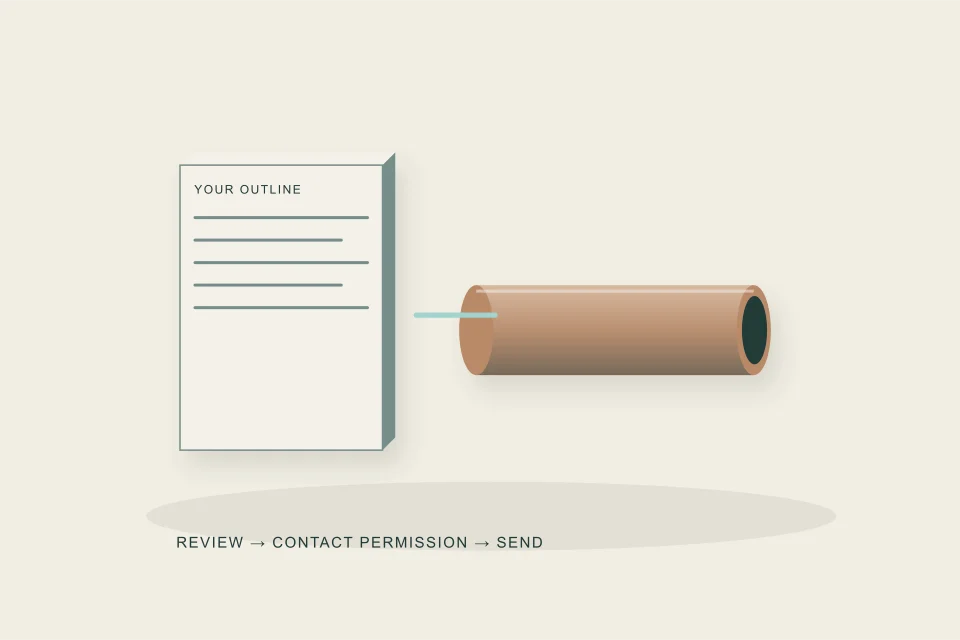
Include your city or postal code, the property use, affected fixtures and the timing of the problem. State what earlier clearing or inspection found, and attach records only through an agreed follow-up route. If access or material is unknown, say so. The request builder organizes these facts into an editable outline. It stays in this tab until you continue to the quote form, review the details and submit with contact permission. A generated outline does not reserve a visit or authorize equipment work.
Ask for a defined first task and a point at which further work needs approval. That task may be investigation, clearance or cleaning preparation for a survey. Identify who can grant access and who can approve extra work. A person available at the property may not be the person who approves the budget. Keep those roles clear so an uncertain finding produces a documented decision rather than an unreviewed expansion of the visit.
02 /What should you compare beside the cleaning price?
List the target section, setup, access assessment, machine work and expected completion evidence. Ask whether camera recording, locating and a return visit are included or priced separately. A lower headline can describe a smaller task. Give each bidder the same records and request the same outcome before comparing totals. This guide does not publish a fixed local price because the actual route, condition, access and work extent require assessment. The provider must confirm its final scope and price.
Make exclusions understandable. If a provider cannot complete the intended run, ask how it records that result and which next step may be needed. If restoration, repair or remediation is outside the task, identify it separately. Keep the written scope and completion record with the property history. Those records can explain a later event more accurately than a claim that the sewer was cleaned once, without any note of where the work began or ended.
03 /How does HAUSE follow-up work?
HAUSE Sewer is an independent information and service-request network and does not carry out drain or sewer work. A submitted request goes to the HAUSE team for review and, with permission, possible introduction to a qualified provider where available. The provider confirms suitability, availability and price. Ask HAUSE can explain general options and help you organize questions; it cannot diagnose the pipe, confirm an appointment or submit a request merely because you typed a message.
Keep account numbers, identification documents, tenant details and private insurance records out of general chat. Put only the needed contact and project information in the consent form. Confirm the location and best contact method before sending, and retain any on-screen submission reference. A failure message means the request needs attention; a locally generated brief alone is not proof of delivery. For an active hazard, use appropriate immediate assistance and do not wait for an online review.
A–ZTerms
- Access pit
- An excavation used for equipment or connection access in some methods. A trenchless label does not eliminate the need to define pits and surface restoration.
- Allowance
- A price provision for a task not fully confirmed. It should name its basis, limit and change-approval process rather than hide an unbounded construction assumption.
- Branch drain
- A drain serving a subset of fixtures before it joins a larger route. A local branch task does not automatically cover the whole building drain.
- Building drain
- The drainage pipe within or beneath a building that collects wastewater from connected branches. Identify the inspected extent; it is not necessarily the same as the outside lateral.
- Camera survey
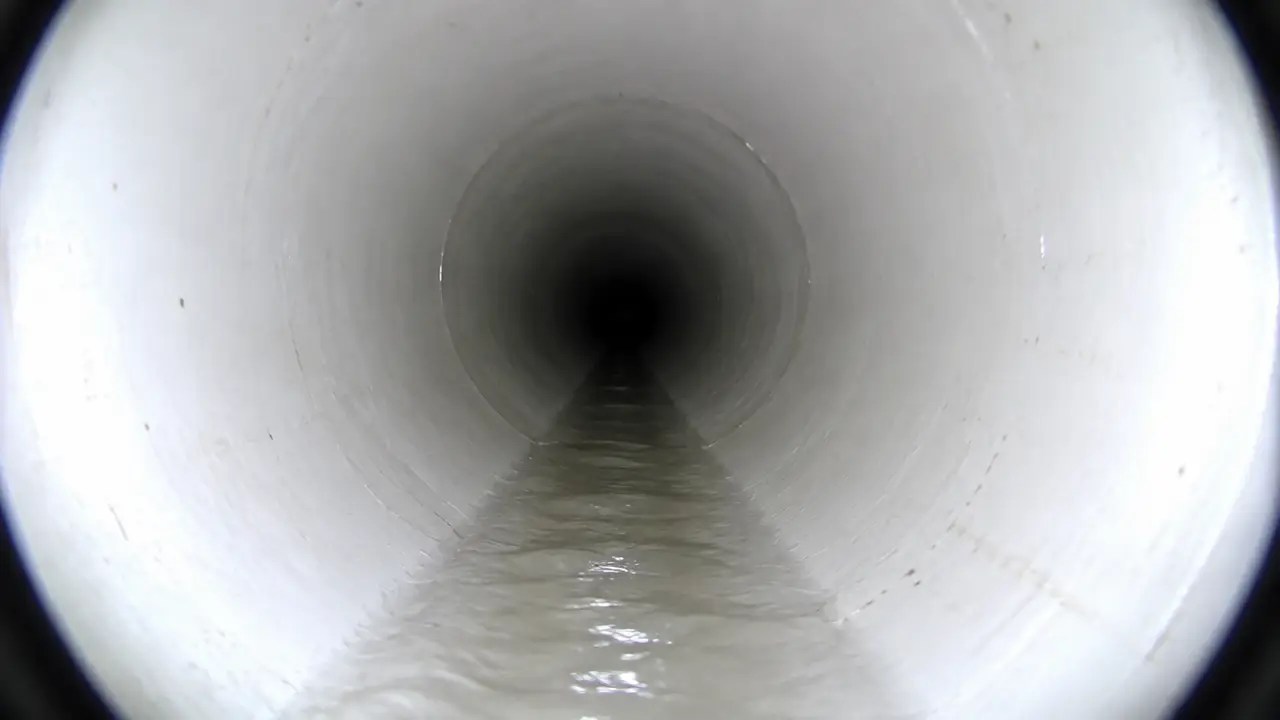
- A recorded examination of the visible interior along a defined route. Its usefulness depends on coverage, access, visibility, observations, reporting and stated limitations.
- Change order
- A documented change to agreed work or price. Confirm who can authorize it and whether the crew pauses pending approval before changed conditions are encountered.
- CIPP
- Cured-in-place pipe, a lining method that creates an interior within an assessed host route. Preparation, connections, limits and completion evidence belong in the proposal.
- Cleanout
- An access fitting intended for drainage maintenance or inspection. A provider must assess suitable access; a homeowner should not remove a cap during a backup.
- Completion evidence
- The records agreed to demonstrate what was done, such as findings, applicable inspections, footage and restoration notes. Flow on one day answers only one completion question.
- Drain augering
- Mechanical drain work using a rotating cable and selected head. The method and achieved result depend on the obstruction, access and equipment chosen by the provider.
- Exclusion
- A task outside the quoted scope. Ask who provides it and how it fits the project; exclusions can materially change comparison of two headline totals.
- Flow rate
- The volume of water supplied over time. It is one characteristic of a jetting system; pressure alone does not define its cleaning capability or suitability.
- FOG
- Fats, oils and grease considered together in drain maintenance discussions. A pipe-cleaning scope and source-control practices address different parts of a recurring deposit problem.
- Grease interceptor
- A device associated with grease management. Name its servicing separately from downstream pipe cleaning so an invoice cannot silently represent both as one completed task.
- Hydro jetting
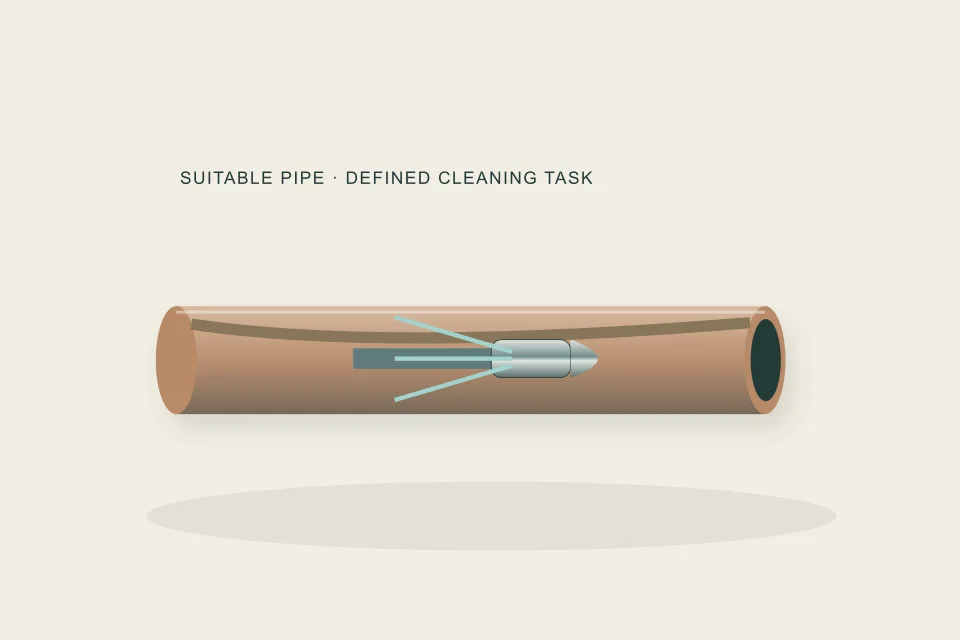
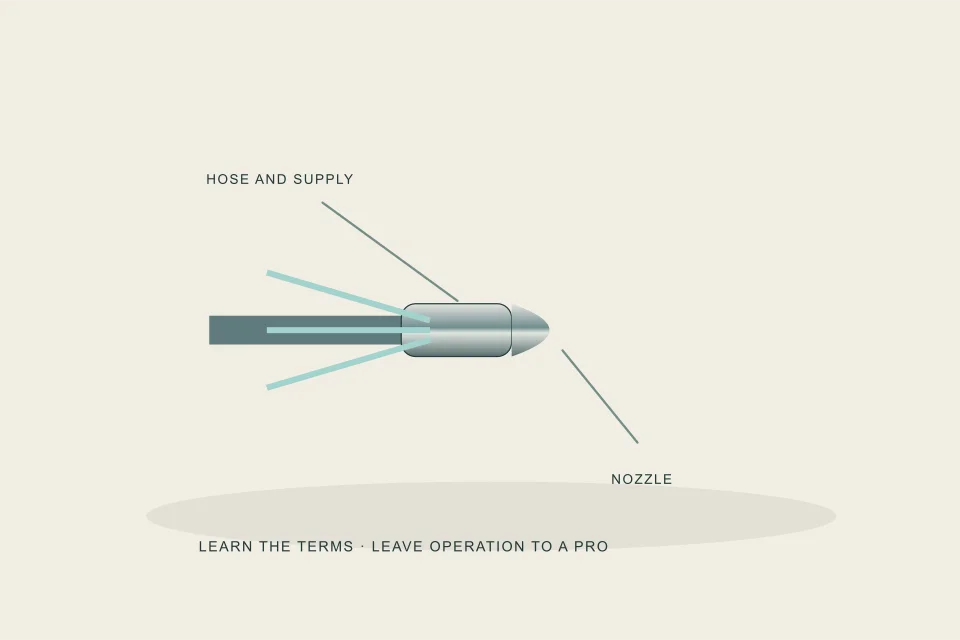
- Professional cleaning using water delivered through a hose and task-specific nozzle. Suitability and operation require assessment of condition, route, access and cleaning objective.
- Lateral
- A service route connecting a property drainage system toward a receiving sewer. The name alone does not establish its exact endpoints, ownership or legal responsibility.
- Locating
- Work to identify a route or observation in relation to the surface. Ask what is included; approximate camera distance alone is not an underground utility clearance.
- Low section
- A segment assessed as having low alignment or persistent standing water. Cleaning deposits does not by itself alter the geometry; retain the underlying assessment and limitations.
- Nozzle
- The jetting component that directs the supplied water. Its design, flow and operating conditions are selected for the assessed task, not from an online illustration.
- Offset joint
- A joint assessed as displaced relative to its adjoining section. The consequence and suitable response require context, location and provider interpretation of the actual finding.
- Open cut
- Excavation providing direct access along a defined work area. The proposal should include excavation safety, utilities, access, installation, reinstatement and the actual scope limits.
- Pipe bursting
- A replacement mechanism drawing new pipe behind a tool through an assessed route. Access, underground conditions, connections and restoration still require project-specific assessment.
- Preparation
- Work needed before the main task, such as suitable cleaning or access assessment. Identify it explicitly so bidders price the same conditions and completion objective.
- Pressure
- A characteristic of the water supply to a jetting system. Appropriate operating settings depend on assessed conditions and belong with a trained operator, not a homeowner checklist.
- Reinstatement
- Restoring an affected area after work. Temporary backfill and final surface finish are different commitments that should be named separately in a practical scope.
- Root intrusion
- Observed root material inside a pipe. Clearance and assessment of its entry route are distinct tasks; nearby trees alone do not prove this condition exists.
- Sanitary sewer
- A system intended for wastewater. Identify the actual service involved rather than assuming every outside drain or low spot belongs to the same infrastructure.
- Stack
- A vertical drainage pipe in a building. Camera or cleaning access through a stack may provide different coverage from access through a suitable cleanout.
- Storm drainage
- Drainage intended for rainfall or related runoff. It is distinct from a sanitary service; the project team must identify the actual system and local requirements.
- Survey extent
- The section actually examined, described with entry and endpoint references. An intended route and the route actually reached may differ; record both when relevant.
FAQQuestions people ask
Does HAUSE carry out hydro jetting?
No. HAUSE Sewer provides information and receives service requests. A qualified provider must assess the line and confirm any cleaning work, price and availability.
Can I request a quote through this site?
Yes. Use the cleaning request builder or the quote form, review the project details and give contact permission. The team can review the request and seek a provider introduction where available.
Does building the outline send anything?
No. Tool answers stay in this tab until you continue to the quote form and submit it. Review the carried-over outline before sending; it is editable.
Is hydro jetting always better than a snake?
No. The restriction, condition, access and cleaning objective matter. Ask the provider which method fits the assessed task and how it will demonstrate the result.
Can cleaning fix a broken or sagging pipe?
Cleaning does not reconstruct a damaged pipe or change its alignment. It may restore a passage or prepare for assessment, while a separate repair decision addresses the recorded physical condition.