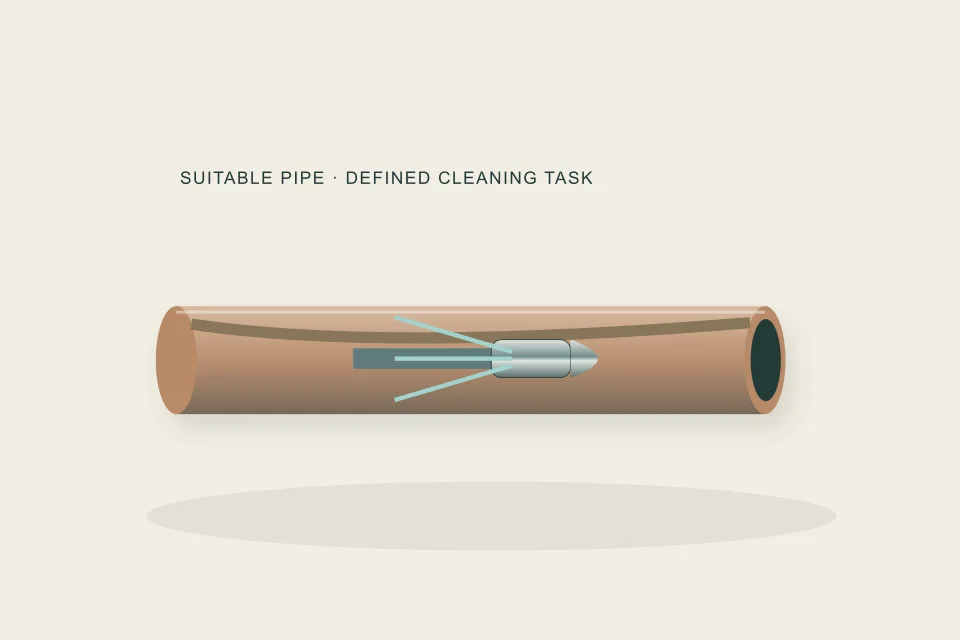
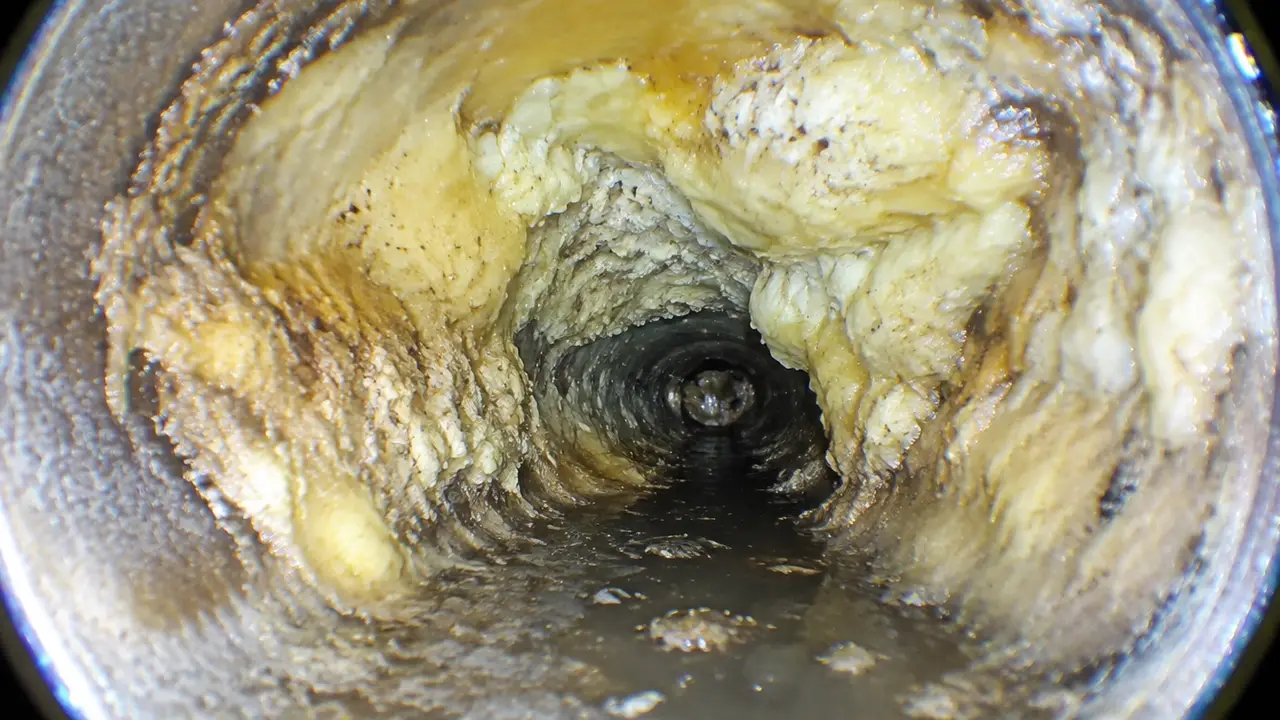
A grease-line request should identify the drain run, deposit evidence and how the source of fats, oils and grease is being managed. Cleaning the line and servicing a grease interceptor are separate tasks. For a Calgary kitchen or food-service property, ask for a coordinated scope and records of the work actually completed.
- Pipe cleaning and grease-interceptor servicing need separate scope items.
- Identify where deposits are observed and which connecting run is included.
- Ask how the provider will demonstrate cleaning along the intended extent.
- Review the source of deposits alongside the completed cleaning record.
01 /Which assets are being quoted?
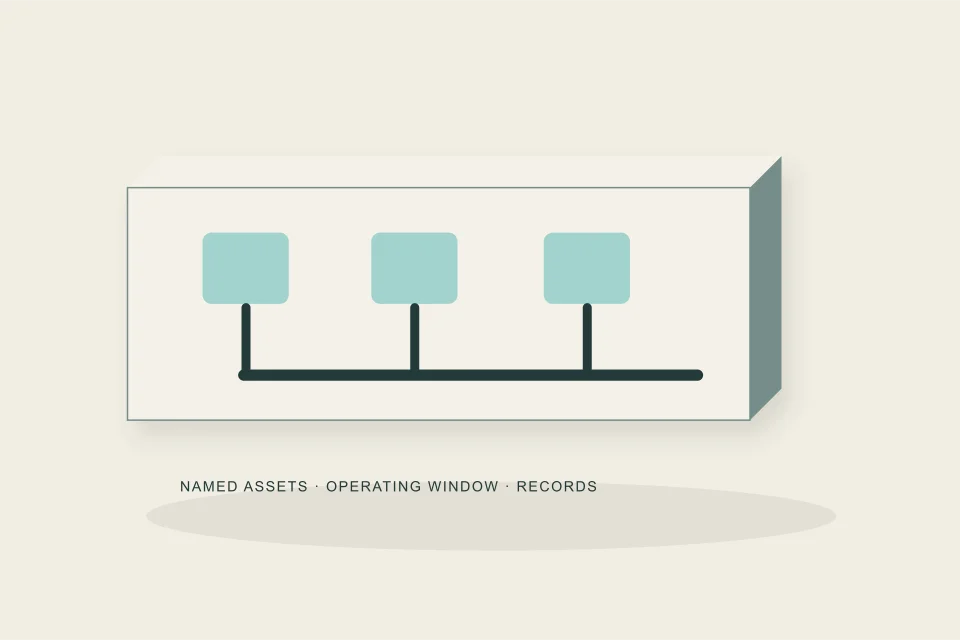
Name the kitchen branches, downstream building drain and any grease interceptor separately. A pump-out service does not automatically include jetting every connected pipe, and a drain-clearing invoice does not establish that the interceptor was serviced. Where drawings are incomplete, mark the asset list as provisional. Ask the provider what it needs to confirm the route. Preserve the distinction between a known device, a suspected connection and an inspected section so a manager can compare bids against the same list.
02 /What explains grease build-up?
Fats, oils and grease can cool and cling to drain walls. Food-service operators should review the City of Calgary guidance linked below when planning source control and interceptor care. That municipal advice does not diagnose an individual restriction. Obtain property-specific findings and keep the cleaning objective separate from disposal and maintenance practices. A smooth result immediately after a visit can still be followed by new accumulation if the operating conditions that introduce material have not changed.
03 /How should business operations be planned?
Tell the provider about kitchen hours, food storage, delivery routes, public access and the person authorized to approve changes. Ask which uses need to pause and how that will be communicated. Do not invent your own isolation sequence for shared drains. A restaurant lease may split responsibilities between tenant and owner, so check who can authorize pipe work and who holds device records. Plan equipment access without requiring staff to handle contaminated fittings or open service covers themselves.
04 /What completion record is useful?
Ask for the sections cleaned, method used, interruptions and any remaining restrictions. When a camera record is part of the scope, define where it should begin and end. Label interceptor service records separately from downstream pipe findings. Retain disposal documentation where the contracted task requires it. The business needs a traceable maintenance history rather than a collection of invoices that all say drain cleaning but describe different assets and levels of work.
05 /How can the next event be reduced?
Review which material reaches the drain and how staff routines, device servicing and pipe maintenance fit together. Ask the provider to explain a proposed interval using the findings and operating pattern. Keep changes in business use in the record, such as additional seats or longer hours. A calendar alone does not prove a line is clean. Use documented observations and symptoms to review the plan, and keep a defined contact and authorization process for an unexpected restriction during a busy service window.
06 /How do you separate the interceptor from the connecting pipe?
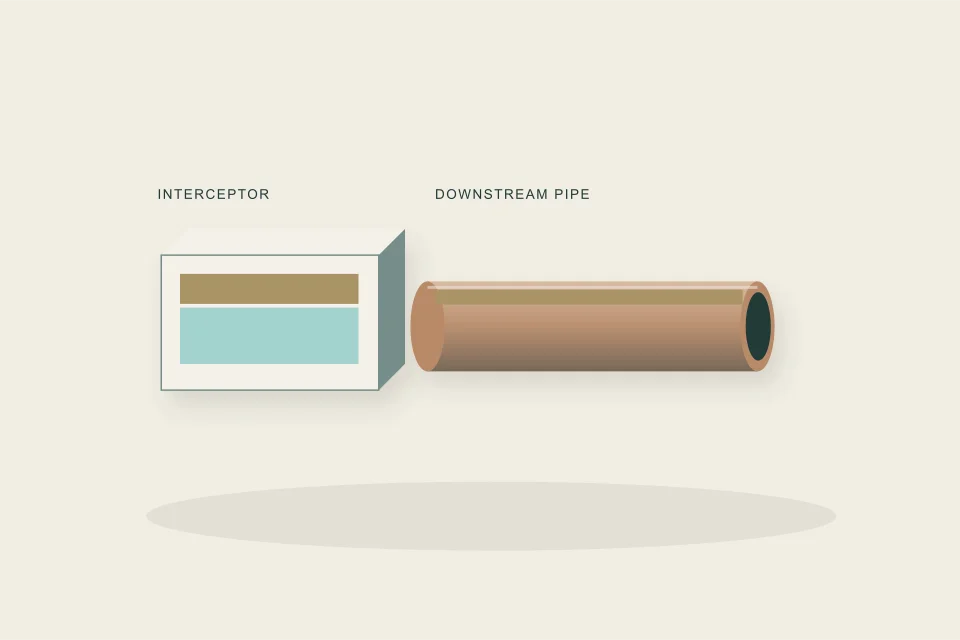
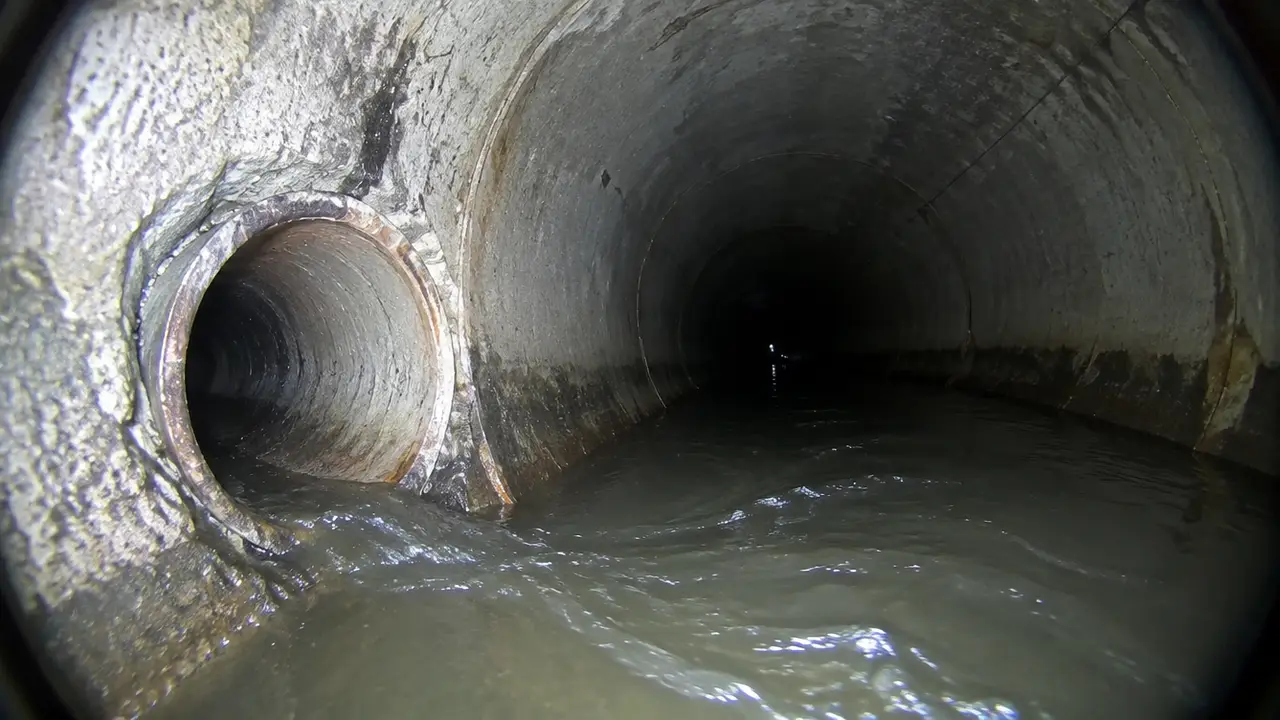
An interceptor and its connecting drain are different assets, and the quotation should identify which is being serviced. Emptying an interceptor does not document the condition of the downstream pipe. Cleaning a pipe does not establish that the interceptor was pumped, inspected or functioning as intended. Ask the provider to identify the relevant inlet and outlet connections, the accessible cleaning segment and any part that another contractor must service. This prevents a maintenance invoice from being mistaken for evidence about the whole kitchen wastewater system.
For a Calgary food-service business, keep the interceptor maintenance record with the pipe-cleaning findings. The City publishes specific food-service guidance, so verify current requirements against that source rather than relying on a generic cleaning schedule. If the outlet line repeatedly restricts, ask what observations connect the deposits to the kitchen system and what remains uncertain. A provider should explain the basis of a source-control recommendation without claiming that one visual finding establishes every operating cause.
07 /What distinguishes grease removal from moving the blockage?
The completion question is whether the agreed segment has been cleaned to its stated objective, not simply whether the original fixture now empties. Ask what happened to the loosened material and how the downstream limit was assessed. The approach must account for the actual route, access and connected equipment; a homeowner or kitchen employee should not improvise collection or flushing. If footage is part of the scope, retain the record of the inspected segment and any remaining wall deposits or unseen sections.
Use the findings to choose the next operational change. A kitchen can document which appliances discharge to the affected branch, when the problem appears and which interceptor servicing was completed before the incident. This is more useful than attributing every blockage to staff behaviour. Review source-control practices and service records together, then ask whether a repeat cleaning visit has a defined preventive purpose. In the request, separate an active restriction from a planned maintenance enquiry so response timing and operational access can be discussed accurately.
08 /How can the first enquiry lead to a useful scope?
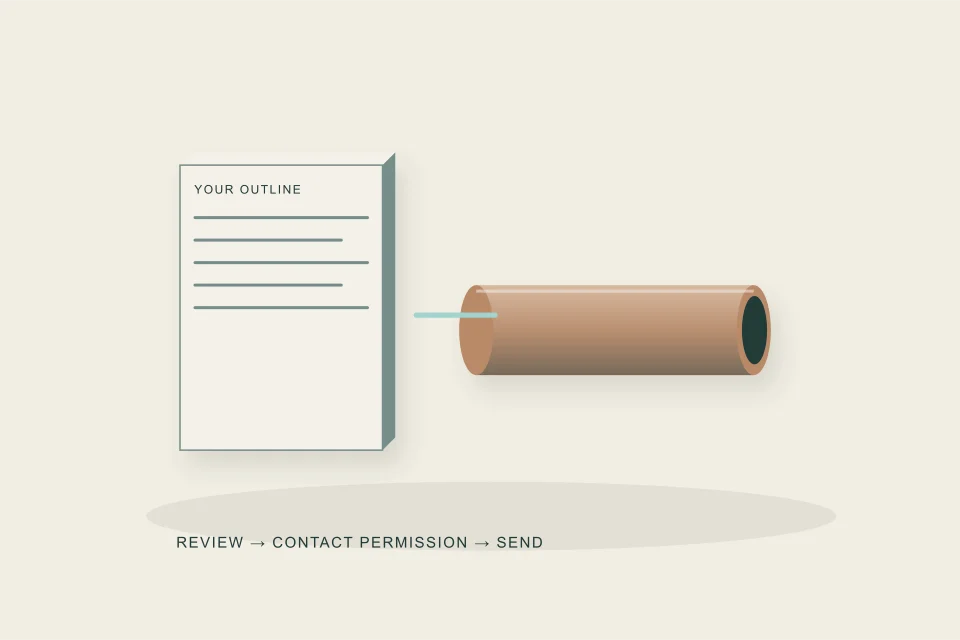
Include your city or postal code, the property use, affected fixtures and the timing of the problem. State what earlier clearing or inspection found, and attach records only through an agreed follow-up route. If access or material is unknown, say so. The request builder organizes these facts into an editable outline. It stays in this tab until you continue to the quote form, review the details and submit with contact permission. A generated outline does not reserve a visit or authorize equipment work.
Ask for a defined first task and a point at which further work needs approval. That task may be investigation, clearance or cleaning preparation for a survey. Identify who can grant access and who can approve extra work. A person available at the property may not be the person who approves the budget. Keep those roles clear so an uncertain finding produces a documented decision rather than an unreviewed expansion of the visit.
09 /What should you compare beside the cleaning price?
List the target section, setup, access assessment, machine work and expected completion evidence. Ask whether camera recording, locating and a return visit are included or priced separately. A lower headline can describe a smaller task. Give each bidder the same records and request the same outcome before comparing totals. This guide does not publish a fixed local price because the actual route, condition, access and work extent require assessment. The provider must confirm its final scope and price.
Make exclusions understandable. If a provider cannot complete the intended run, ask how it records that result and which next step may be needed. If restoration, repair or remediation is outside the task, identify it separately. Keep the written scope and completion record with the property history. Those records can explain a later event more accurately than a claim that the sewer was cleaned once, without any note of where the work began or ended.
10 /How does HAUSE follow-up work?
HAUSE Sewer is an independent information and service-request network and does not carry out drain or sewer work. A submitted request goes to the HAUSE team for review and, with permission, possible introduction to a qualified provider where available. The provider confirms suitability, availability and price. Ask HAUSE can explain general options and help you organize questions; it cannot diagnose the pipe, confirm an appointment or submit a request merely because you typed a message.
Keep account numbers, identification documents, tenant details and private insurance records out of general chat. Put only the needed contact and project information in the consent form. Confirm the location and best contact method before sending, and retain any on-screen submission reference. A failure message means the request needs attention; a locally generated brief alone is not proof of delivery. For an active hazard, use appropriate immediate assistance and do not wait for an online review.
FAQQuestions people ask
Does a grease-interceptor service include cleaning the connecting pipes?
Do not assume it does. Ask the provider to name the interceptor and connecting drain runs separately, with the work and completion record included for each. A serviced interceptor does not establish that every connected pipe was cleaned.
Does HAUSE carry out hydro jetting?
No. HAUSE Sewer provides information and receives service requests. A qualified provider must assess the line and confirm any cleaning work, price and availability.
Can I request a quote through this site?
Yes. Use the cleaning request builder or the quote form, review the project details and give contact permission. The team can review the request and seek a provider introduction where available.
Does building the outline send anything?
No. Tool answers stay in this tab until you continue to the quote form and submit it. Review the carried-over outline before sending; it is editable.
Is hydro jetting always better than a snake?
No. The restriction, condition, access and cleaning objective matter. Ask the provider which method fits the assessed task and how it will demonstrate the result.
Can cleaning fix a broken or sagging pipe?
Cleaning does not reconstruct a damaged pipe or change its alignment. It may restore a passage or prepare for assessment, while a separate repair decision addresses the recorded physical condition.
NETWORKGo deeper across the HAUSE Sewer network
Commercial and municipal sewer jetting: combination trucks, interceptors and schedules
Commercial sewer jetting explained: jet-vac combination trucks, high-flow mains cleaning, restaurant grease lines, interceptors and confined space rules.
SewerCleaners.caRestaurant grease interceptors and kitchen line cleaning
How restaurant grease interceptors work, pump-out frequency and the 25 percent rule, kitchen line jetting, service logs, and municipal bylaw checks.
PipeCleaning.caPipe cleaning cost in Canada, method by method
Pipe cleaning cost in Canada for 2026: planning ranges for snaking, hydro jetting, descaling, camera inspection and stacks, and what moves a quote.