Clear the restriction. Understand the result.
Calgary-area hydro jetting and drain-cleaning decisions, explained visually. Turn the symptoms into a useful request.
Hydro jetting uses a professional high-pressure water system to clean a suitable drain or sewer. For a Calgary property, the useful starting point is the restriction, pipe condition, safe access and desired result. Request those checks and an itemized scope before choosing equipment or booking an open-ended cleaning visit.
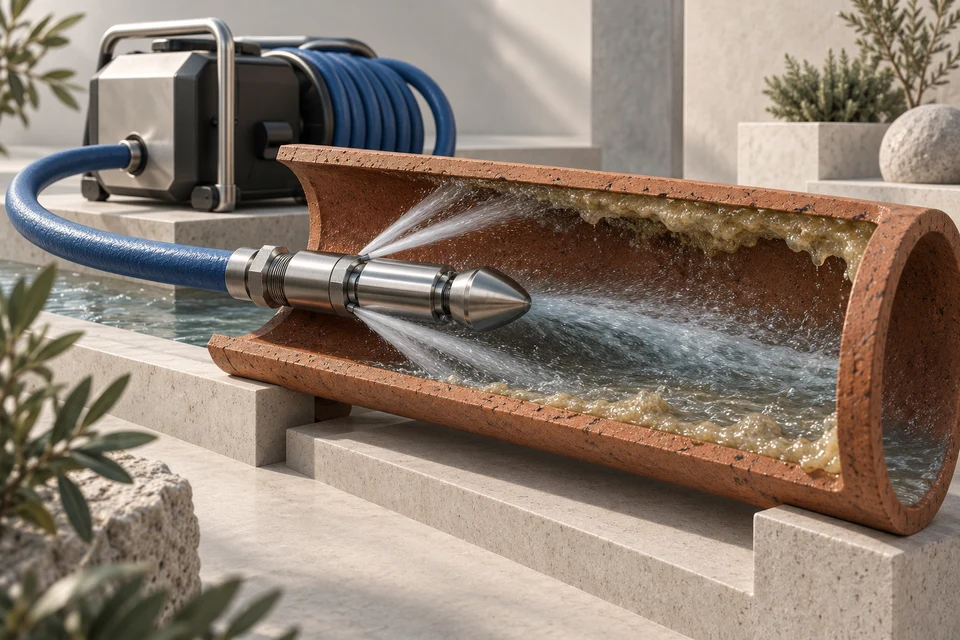
The cleaning objective changes the question
Choose a view to explore an illustrative model. It is a planning aid, not a survey or diagnosis of your property.
What the model shows, in words
Deposit
Identify what occupies the line and what evidence supports that description.
Access
A trained provider assesses access and operating suitability.
Result
Ask what will demonstrate clearance, condition and any limitation.
What would you like to resolve?
Pick the closest match. Each path goes to the guide that answers it in full.
Plan a cleaning request
Choose the cleaning concern, property use, known access and evidence available. This builder creates a local outline that you can edit in the quote form before consenting and sending. It asks for a suitability assessment and cleaning scope; it does not operate equipment, book a visit or produce a binding price.
Plan a cleaning request
Read these first
Hydro jetting in Calgary: what a useful visit includes
Hydro jetting uses a professional high-pressure water system to clean a suitable drain or sewer. For a Calgary property, the useful starting point is the restriction, pipe condition, safe access and desired result. Request those checks and an itemized scope before choosing equipment or booking an open-ended cleaning visit.
CornerstoneHydro jetting or drain augering: decide by the restriction
Jetting and augering have different cleaning actions. A cable works mechanically through an obstruction; water jetting can address suitable deposits along a pipe wall. The better question is what the provider expects to find, how it will be assessed and what outcome is required. Neither method is automatically best for every Calgary drain.
CornerstoneRecurring drain blockages: clean, investigate or repair?
When a drain blocks repeatedly, record the interval, affected fixtures and previous work before booking the same service again. A repeat restriction can reflect deposits, an unresolved entry point or a physical pipe condition. The next visit should answer what the earlier clearance left unknown and identify an evidence-based follow-up.
What it looks like down there
Illustrations of what this work involves and what a camera or a trained eye picks up. Every guide on HydroJetting.ca carries more like these.
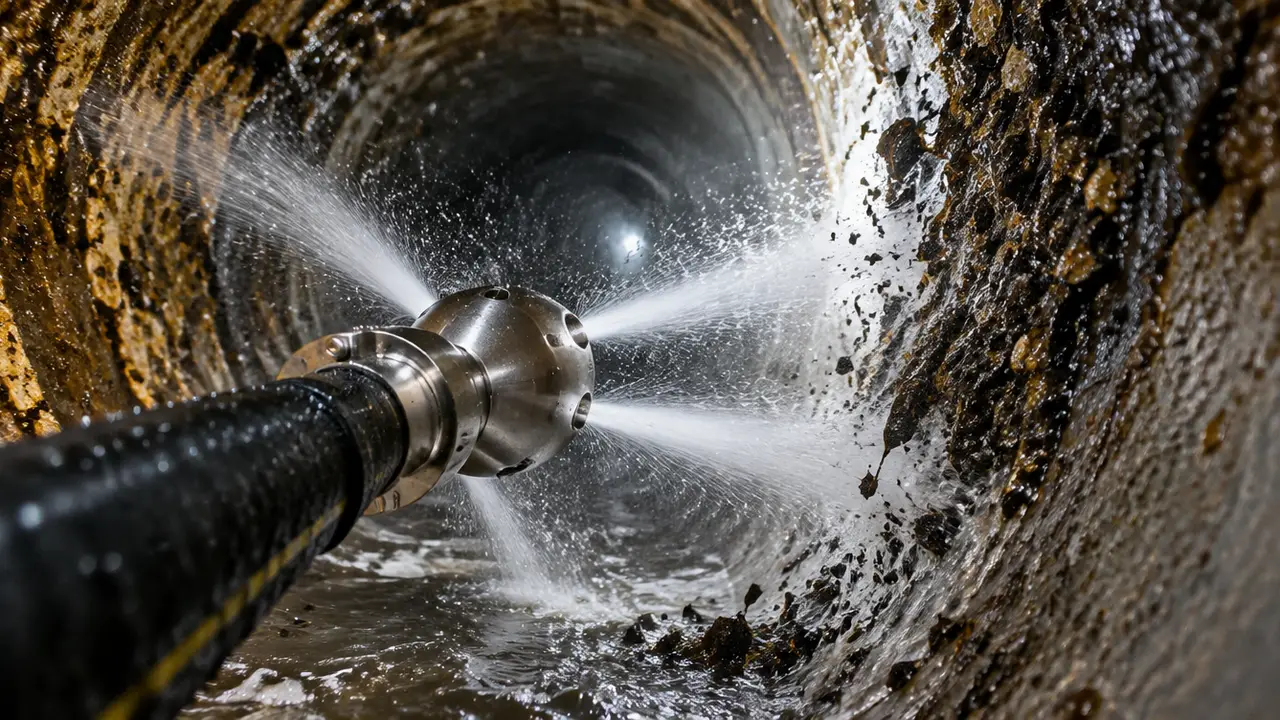
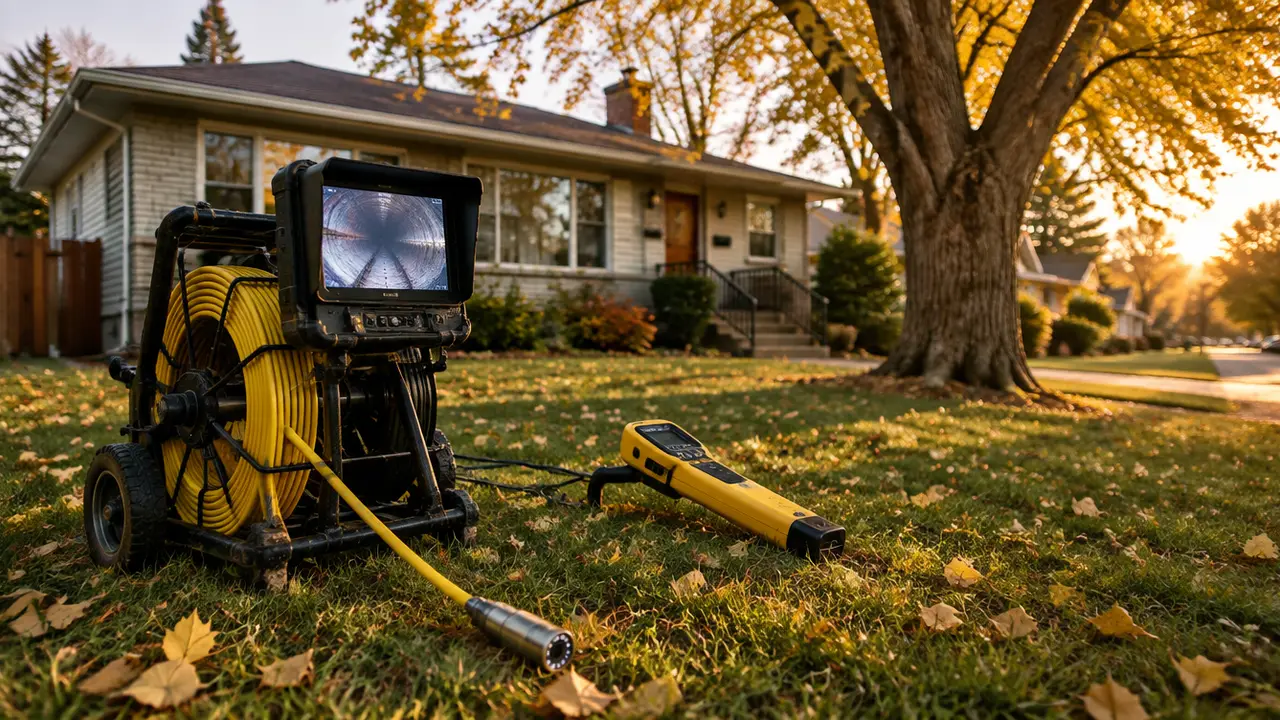
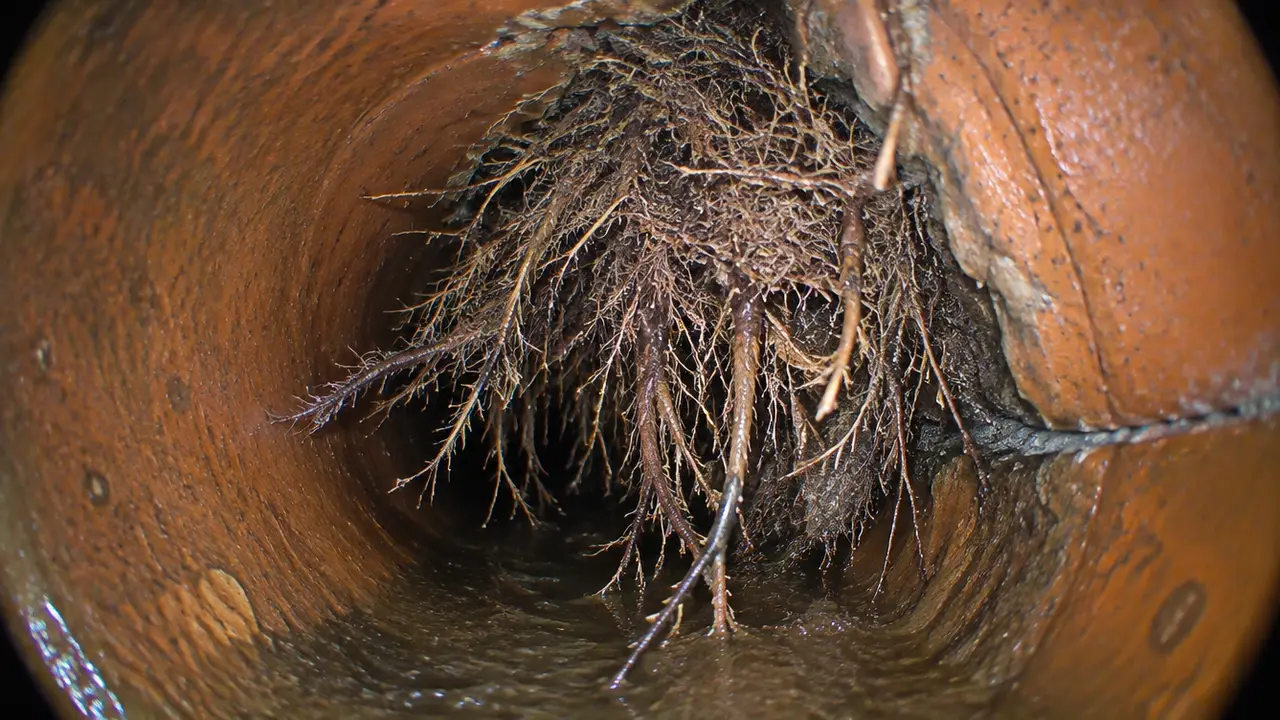
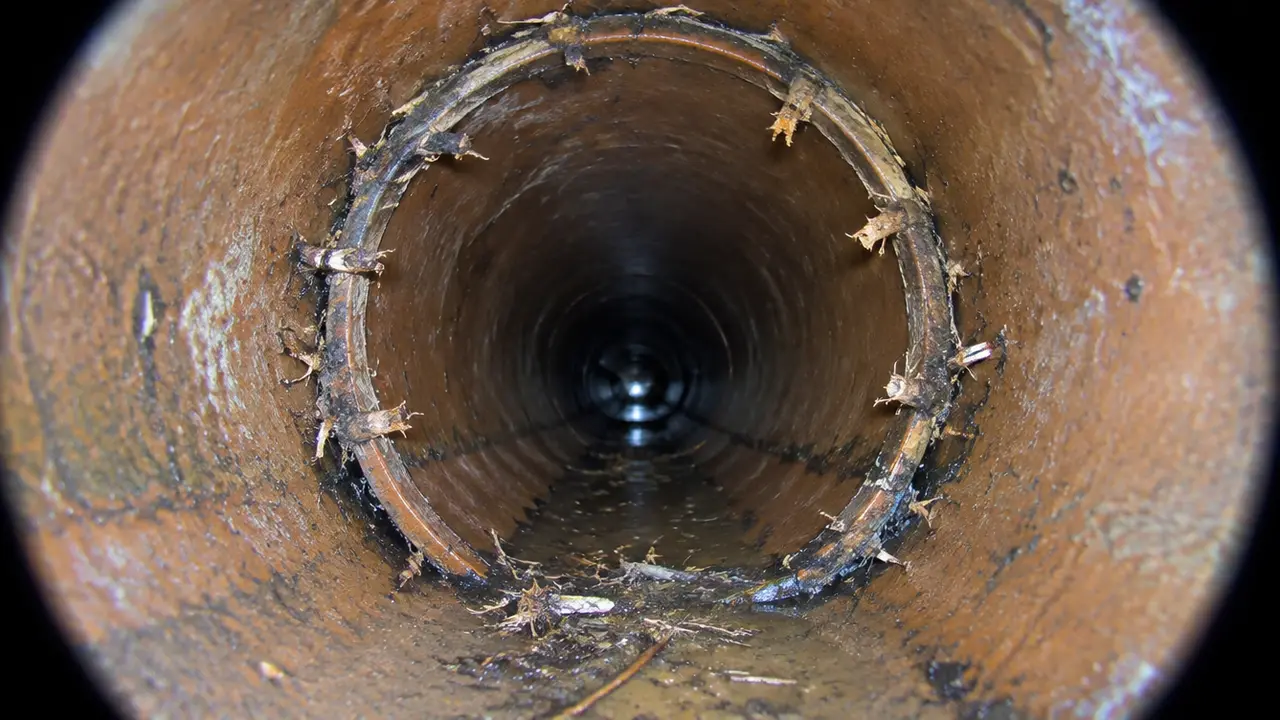
01 /Cleaning starts with the question
A drain that clears once and blocks again deserves a better question than which machine is strongest. Start with the affected fixtures, the interval between events and the actual work already completed. HydroJetting.ca helps Calgary-area homeowners and facility managers turn those observations into a defined cleaning enquiry. The useful next step may be a local clearance, suitable wall cleaning, a condition survey or a separate repair assessment. Keep the cause uncertain until evidence supports it. An online illustration explains a mechanism; it cannot see the pipe at your property.
02 /What should the first assessment establish?
Start with the affected fixtures and the sequence of events. A kitchen branch that slows after food preparation presents a different question from several basement fixtures backing up together. Tell the provider what still drains, what does not, when the problem appeared and whether clearing has already been attempted. Describe what you observed without turning it into a diagnosis. A provider can then explain whether the first visit should investigate a local branch, the building drain or an outside lateral.
03 /How does the cleaning mechanism work?
A jetter supplies water through a hose to a nozzle chosen for the intended task. Its jets act on deposits and move material along an assessed route. Pressure alone does not describe the system: flow, nozzle, line dimensions, pipe condition and operator technique matter too. The illustrated nozzle is a conceptual explanation, not an equipment recommendation for your property. Leave settings, access opening and operation to a trained provider with a controlled work area.
04 /What belongs in the written cleaning scope?
Ask which entry point will be used, which section is included and what the provider expects to remove. Include how an obstruction that prevents progress will be handled. A fixed visit, an allowance of machine time and an unlimited promise to clear everything are very different purchases. Separate investigative work, cleaning, locating and any camera record. Request the approval rule for extra work before the first visit so the person at home is not unexpectedly asked to authorize a larger project.
05 /How should results be demonstrated?
Water flowing again can demonstrate passage at that moment. It does not by itself establish an undamaged pipe or completion along every metre of the requested run. Where condition matters, ask whether a post-cleaning camera survey is appropriate and which endpoint it should reach. Retain the report, recording and limitations. If the provider could not see the entire section, the record should say so. The next decision should respond to that evidence rather than a vague claim that the line is now like new.
06 /Which follow-up questions prevent another vague visit?
Ask what was found, what was actually removed and which part of the original complaint remains unexplained. Recurrence may justify better condition evidence, a change in disposal habits or a maintenance plan; it does not automatically prove a need for replacement. Request a written recommendation with a reason and review point. If a repair is proposed, treat that as a separate construction decision with its own extent, access, restoration and completion record. Keep the cleaning invoice with the associated findings.
07 /A useful plan is specific to the property
The guide library explains jetting versus augering, grease lines, roots, recurring restrictions, older pipes and before-and-after camera work. Its purpose is to help you ask the provider a useful question rather than choose operating settings yourself. For a business, add the named asset and work window; for a home, add the fixtures and prior history. The request builder keeps those details in this tab and carries a reviewable outline into the quote form. You decide when to send it with contact permission.
08 /How can the first enquiry lead to a useful scope?
Include your city or postal code, the property use, affected fixtures and the timing of the problem. State what earlier clearing or inspection found, and attach records only through an agreed follow-up route. If access or material is unknown, say so. The request builder organizes these facts into an editable outline. It stays in this tab until you continue to the quote form, review the details and submit with contact permission. A generated outline does not reserve a visit or authorize equipment work.
Ask for a defined first task and a point at which further work needs approval. That task may be investigation, clearance or cleaning preparation for a survey. Identify who can grant access and who can approve extra work. A person available at the property may not be the person who approves the budget. Keep those roles clear so an uncertain finding produces a documented decision rather than an unreviewed expansion of the visit.
09 /What should you compare beside the cleaning price?
List the target section, setup, access assessment, machine work and expected completion evidence. Ask whether camera recording, locating and a return visit are included or priced separately. A lower headline can describe a smaller task. Give each bidder the same records and request the same outcome before comparing totals. This guide does not publish a fixed local price because the actual route, condition, access and work extent require assessment. The provider must confirm its final scope and price.
Make exclusions understandable. If a provider cannot complete the intended run, ask how it records that result and which next step may be needed. If restoration, repair or remediation is outside the task, identify it separately. Keep the written scope and completion record with the property history. Those records can explain a later event more accurately than a claim that the sewer was cleaned once, without any note of where the work began or ended.
10 /How does HAUSE follow-up work?
HAUSE Sewer is an independent information and service-request network and does not carry out drain or sewer work. A submitted request goes to the HAUSE team for review and, with permission, possible introduction to a qualified provider where available. The provider confirms suitability, availability and price. Ask HAUSE can explain general options and help you organize questions; it cannot diagnose the pipe, confirm an appointment or submit a request merely because you typed a message.
Keep account numbers, identification documents, tenant details and private insurance records out of general chat. Put only the needed contact and project information in the consent form. Confirm the location and best contact method before sending, and retain any on-screen submission reference. A failure message means the request needs attention; a locally generated brief alone is not proof of delivery. For an active hazard, use appropriate immediate assistance and do not wait for an online review.
Every guide on HydroJetting.ca
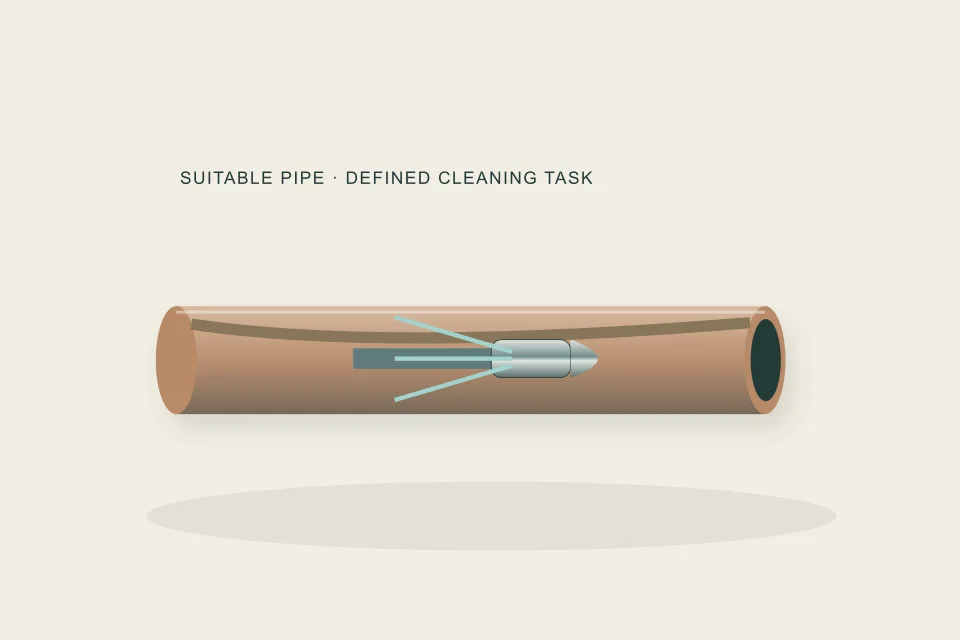
Hydro jetting in Calgary: what a useful visit includes
Hydro jetting in Calgary: assess the restriction, suitable access, cleaning extent and camera evidence, then send a reviewed service request.
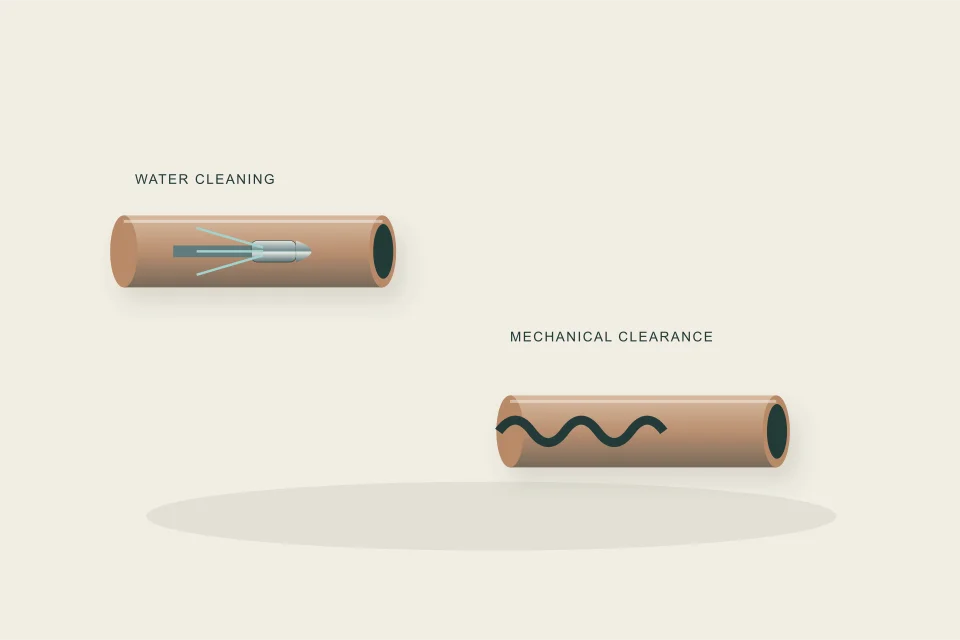
Hydro jetting or drain augering: decide by the restriction
Compare hydro jetting and drain augering by the restriction, pipe condition, access and desired outcome before choosing a Calgary cleaning scope.
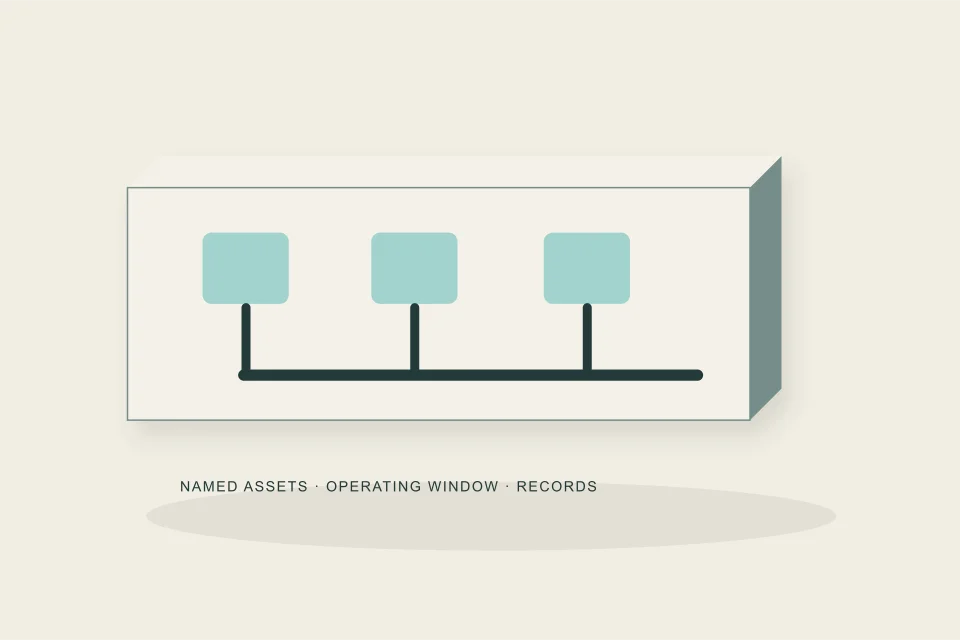
Commercial hydro jetting: access, operations and records
Plan commercial hydro jetting around named assets, operating hours, approvals, shared users and records that a facility manager can retain.
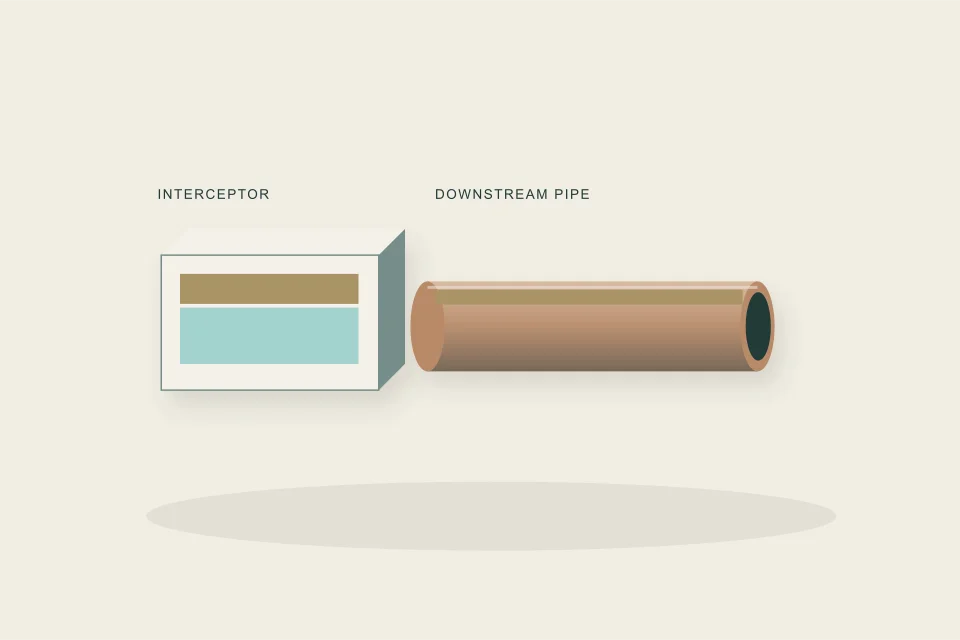
Grease line cleaning: the pipe and the source of deposits
Plan grease line cleaning with separate interceptor and pipe scopes, business access, source-control questions and useful completion records.

Camera before and after cleaning: define both questions
Before and after drain cleaning, agree on camera coverage, original footage, written findings and the questions each survey should answer.
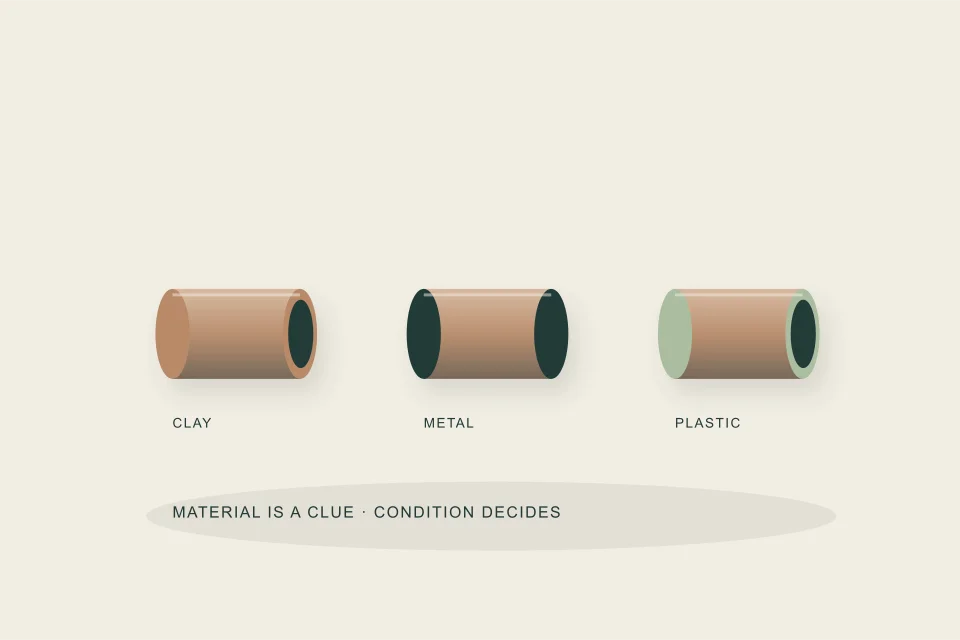
Older pipes and jetting: condition before equipment choice
Older sewer pipes need condition and access assessment before jetting. Compare known defects, cleaning limits and a practical stop or review point.
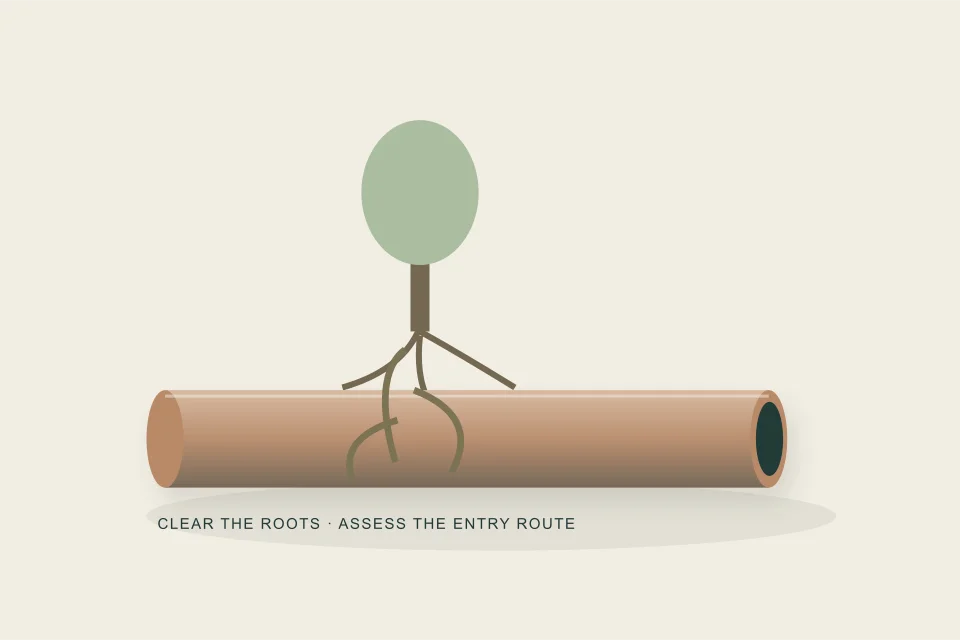
Roots before hydro jetting: questions the footage should answer
Roots before jetting: ask for location, clearance limits and evidence of the entry route before comparing maintenance and repair options.
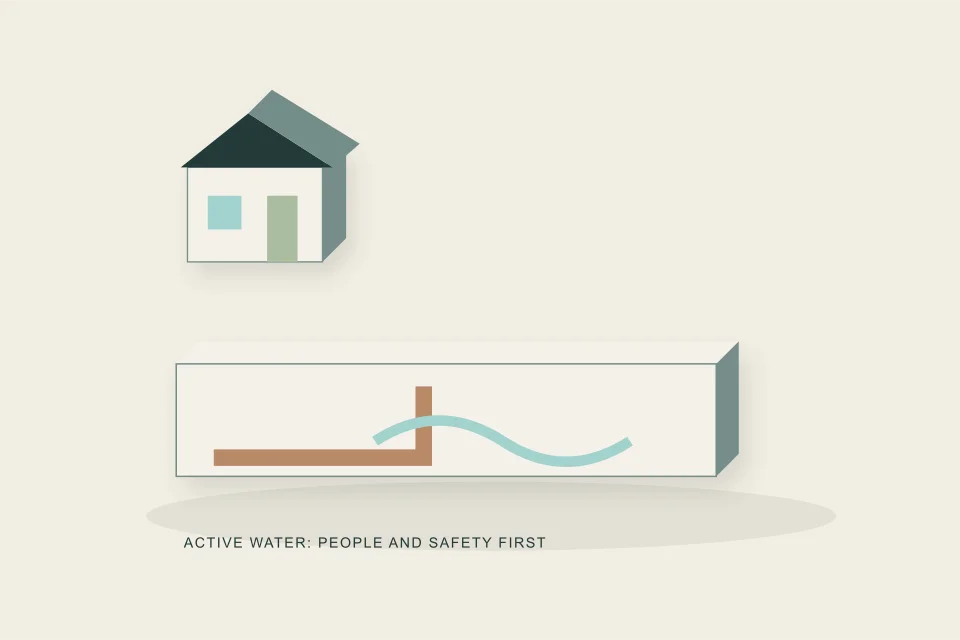
Blocked drain first response: safe observations and next steps
Blocked drain first response: protect people, gather safe observations and separate immediate assistance from later cleaning and inspection.

Recurring drain blockages: clean, investigate or repair?
Recurring drain blockage? Organize the history, earlier clearing and camera limits to decide which investigation or repair question comes next.

Hydro jetting costs in Calgary: compare the scope
Compare Calgary hydro jetting costs by setup, work extent, camera records and exclusions. Request an itemized scope instead of a generic price.
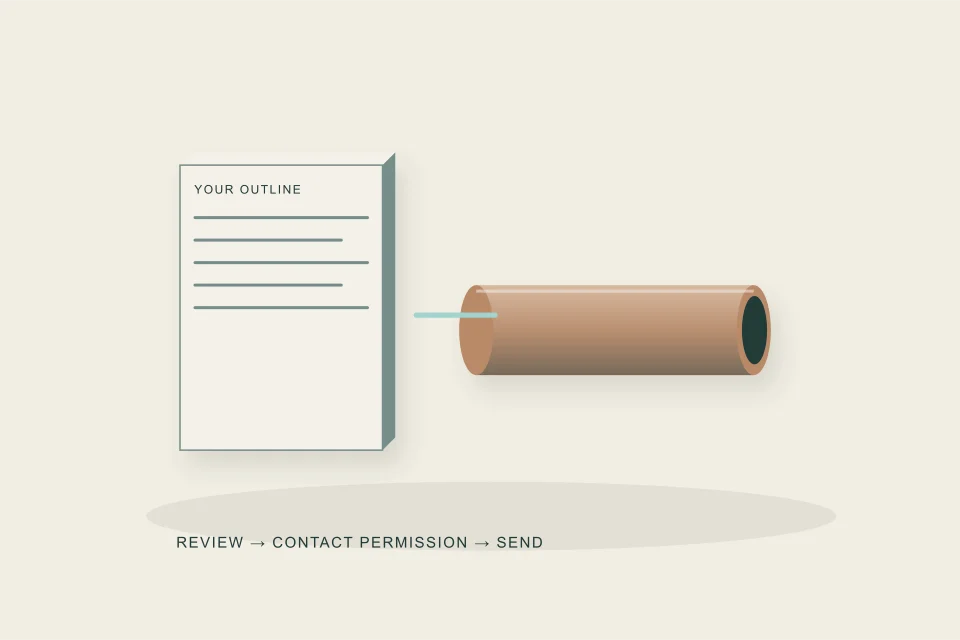
Plan a hydro jetting request for your Calgary-area property
Build an editable hydro jetting enquiry with property use, restriction, access and evidence. Carry the outline into a direct quote-request form.
Hydro jetting requests in Calgary and nearby communities
Request hydro jetting in Calgary or a nearby community with the actual jurisdiction, servicing, access and project context clearly identified.
Frequently asked
Does HAUSE carry out hydro jetting?
No. HAUSE Sewer provides information and receives service requests. A qualified provider must assess the line and confirm any cleaning work, price and availability.
Can I request a quote through this site?
Yes. Use the cleaning request builder or the quote form, review the project details and give contact permission. The team can review the request and seek a provider introduction where available.
Does building the outline send anything?
No. Tool answers stay in this tab until you continue to the quote form and submit it. Review the carried-over outline before sending; it is editable.
Is hydro jetting always better than a snake?
No. The restriction, condition, access and cleaning objective matter. Ask the provider which method fits the assessed task and how it will demonstrate the result.
Can cleaning fix a broken or sagging pipe?
Cleaning does not reconstruct a damaged pipe or change its alignment. It may restore a passage or prepare for assessment, while a separate repair decision addresses the recorded physical condition.
Should I have a camera survey as well?
Ask which question the camera would answer. Before and after cleaning can show different information. Specify coverage, original recording, findings and limitations rather than assuming a brief look is a complete survey.
Describe the problem once. Get a straight answer.
Send the symptoms and anything you already know — age of the house, what a camera found, what you have been quoted. The HAUSE Sewer desk replies with next steps and, where available, a local contractor for the job.
Sewage backing up right now? Stop using water, keep people away from the water, and do not touch electrical equipment near it.