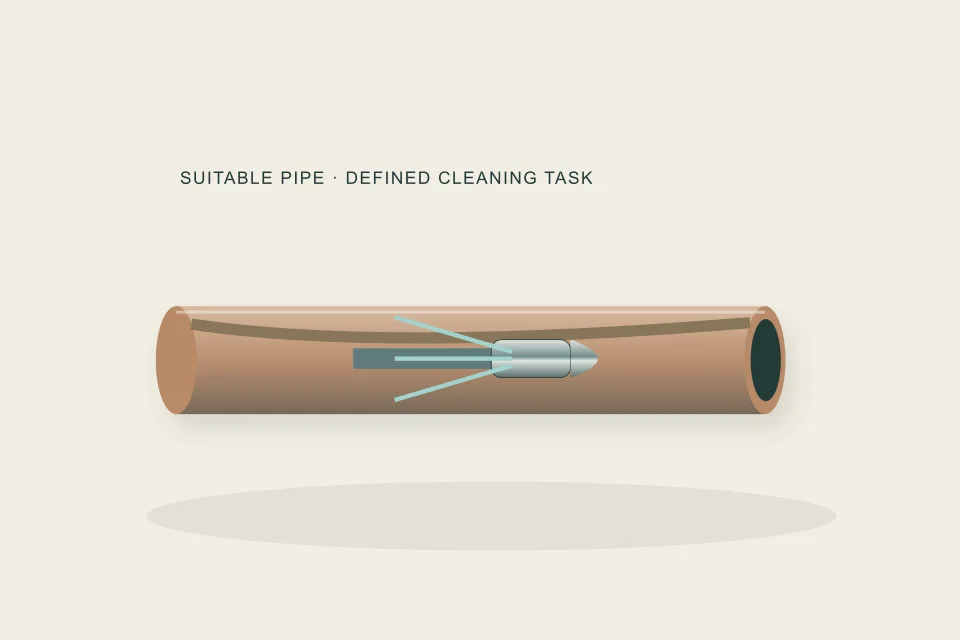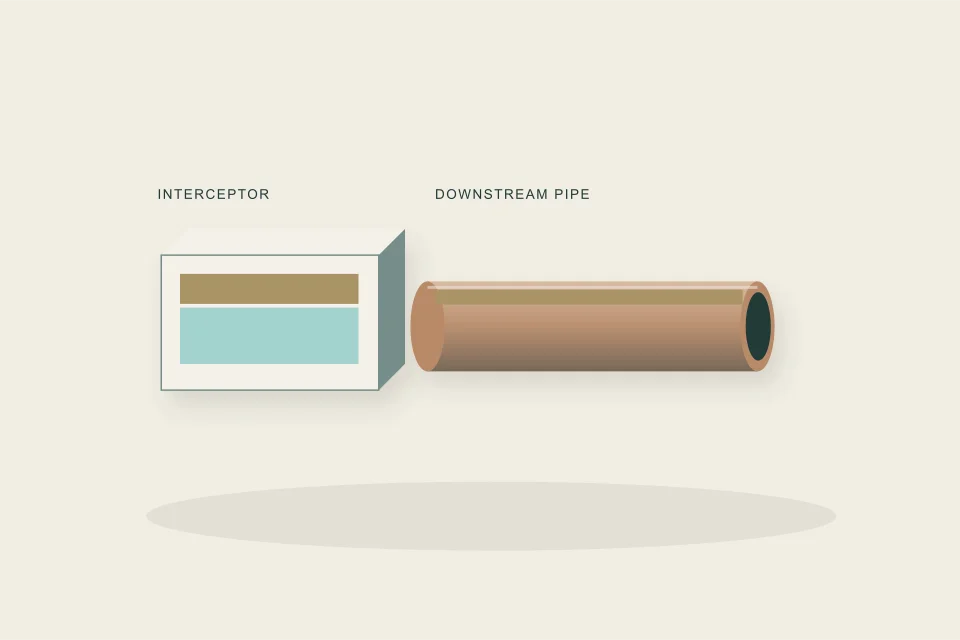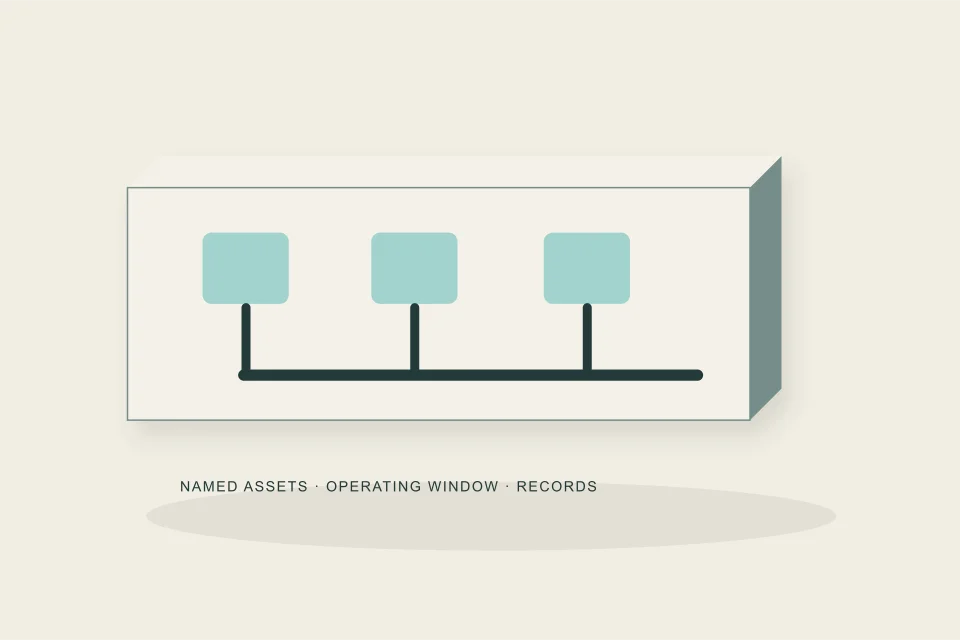
Commercial jetting requires a scope tied to named assets, operating constraints and an authorized manager. Identify the business use, access, shared users and desired deliverables. Ask the provider to confirm cleaning limits, any flow arrangements and how additional work will be approved before relying on a work window.
- Name each drain asset and the extent included in the maintenance scope.
- Identify the manager who approves access and additional work.
- Agree operating restrictions and a practical handback with the provider.
- Retain asset-specific findings, completed work and outstanding follow-up items.
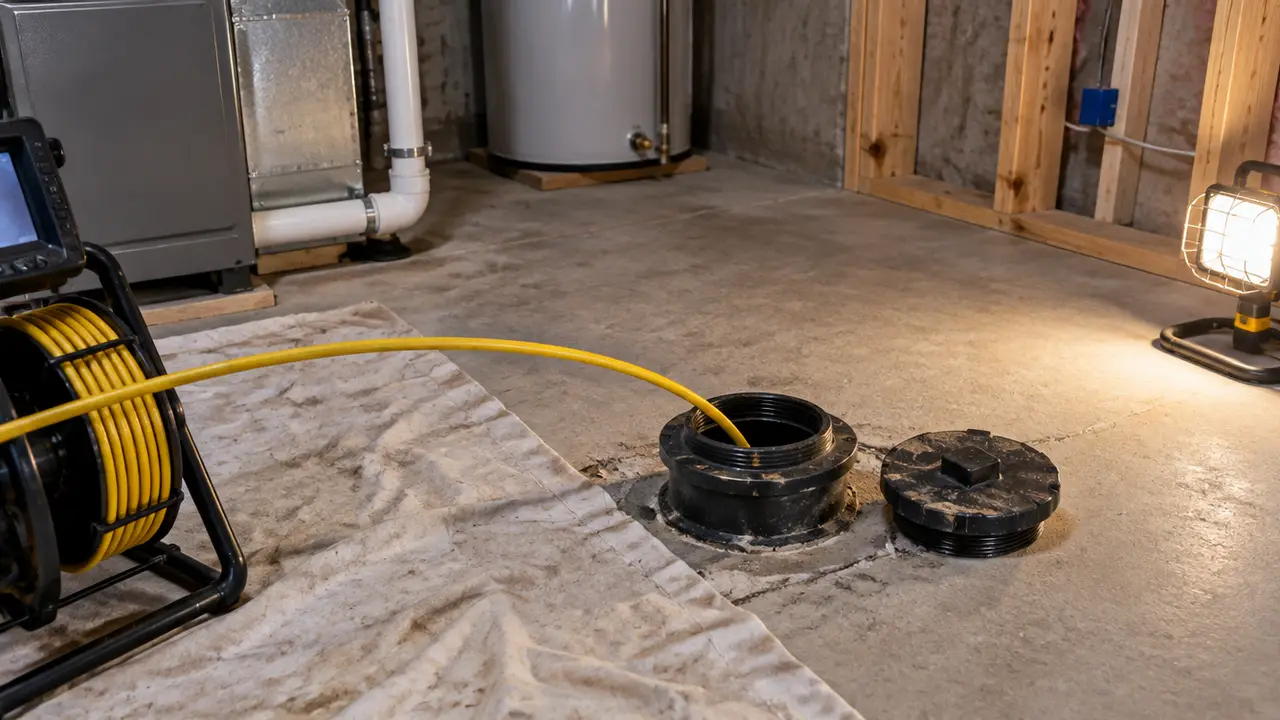
01 /Which line is actually being maintained?
A commercial building can have multiple branches and outside runs with different users and responsibilities. Name the target asset and mark uncertain connections as uncertain. Drawings, earlier recordings and device service logs help establish a starting list, but the provider must confirm relevant site conditions. A quote for the main line should explain its limits. It should not silently be interpreted as cleaning every kitchen, floor drain and tenant branch connected anywhere within the property.
02 /Who authorizes the visit and any changes?
Confirm the manager who can grant access and the person who can approve added work. They may be different people. Tell bidders about owner, tenant or condominium approvals that are still required. Specify where a change proposal should go and whether work pauses pending approval. A worker arriving with keys does not establish authority to authorize construction. Keep the approved asset list, work window and spending scope available to the attending manager so the crew receives consistent information.
03 /How do occupants and operating hours affect the plan?
Provide normal business hours, delivery patterns, security arrangements and shared drain uses. Ask the provider which activities need to pause and how its work area will be controlled. It must assess any required flow management. Do not assume a late-night booking eliminates all tenant or public access concerns. Protect food and occupied spaces from the work route using an agreed professional plan. Flag equipment staging, hose paths and winter access constraints so they are assessed before arrival.
04 /What records should a facility manager require?
Ask for asset-specific completion notes, restrictions encountered and sections left unfinished. Camera recordings and locating may need separate authorization. If the work supports a maintenance plan, link each visit to the asset rather than recording a building-wide clean status. Keep service dates, operating changes and repeat symptoms together. The next manager should be able to identify what was done without reconstructing a job from several anonymous invoices or relying on an expiring footage link.
05 /How can procurement compare proposals?
Send the same scope and access notes to each provider. Compare setup, cleaning time, operating arrangements, investigation, recording and disposal where relevant. Clarify how unsuccessful travel, access changes or return visits are charged. Ask which tasks require separate approvals or another trade. A lower total may represent a smaller asset list or fewer deliverables. Define the completion questions first, then review price against that shared scope. Availability and a work window remain for the provider to confirm.
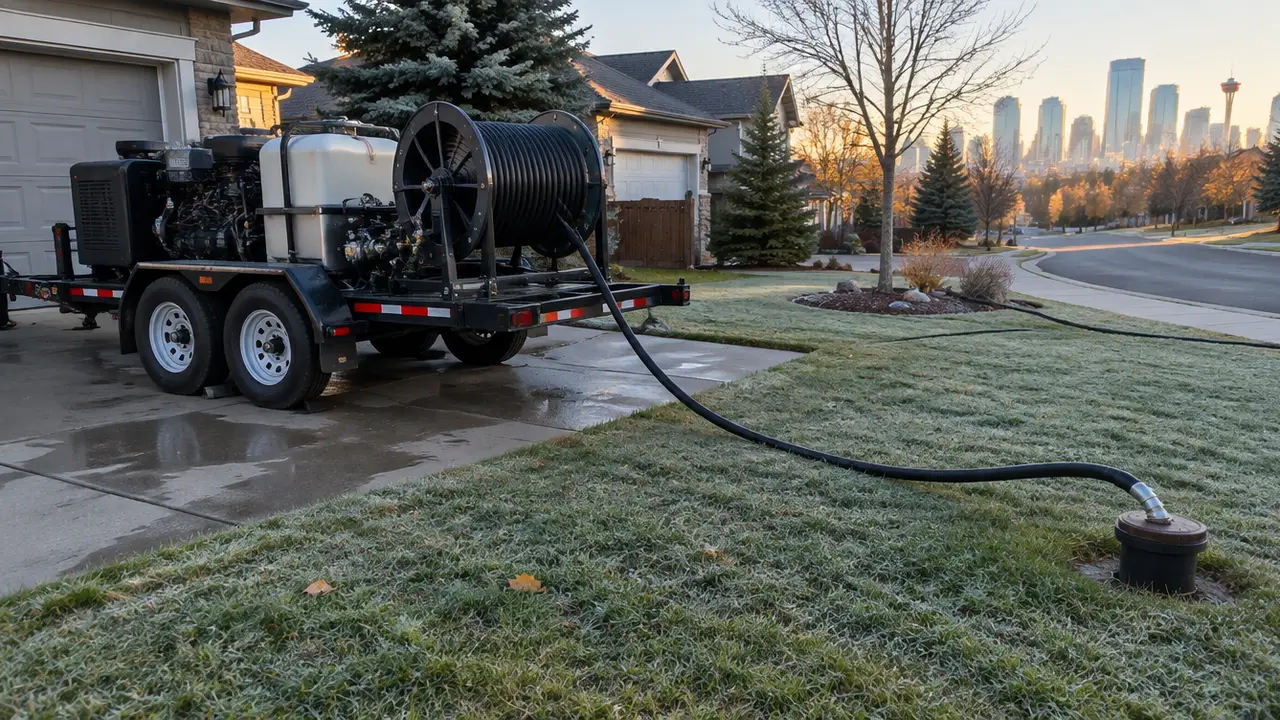
06 /How do you make a usable drain asset register?
Start with the drain or branch being serviced and the equipment or rooms that feed it. Give access points plain names such as “kitchen cleanout behind wash station” rather than relying on an unlabelled photo. Note known interceptors, shared stacks and previous repair locations. The register can be a short marked plan with accompanying photos taken from safe areas; it does not need to claim a verified buried route. Label inherited drawings and unconfirmed connections as such so the provider can plan its checks.
For a multi-tenant building, distinguish the tenant branch from the common building drain. The party ordering kitchen cleaning may not have authority to approve work on a shared line or open another unit. Identify who can provide access, receive interruption notices and authorize a changed scope. If no reliable plan exists, include route identification as a separate proposed task. That avoids treating every accessible cleanout as though it serves the same restriction.
07 /What should an operational handback contain?
Agree on the information the facilities team needs before normal operation resumes: which segment was worked on, whether an identified restriction was addressed, which areas remain unexamined and what follow-up is recommended. Ask how connected fixtures will be protected while the provider controls cleaning and flow verification. Staff should not independently resume equipment or run test water during the operation. A successful flow observation should be described by the provider rather than translated into a blanket statement that every drain is safe.
For recurring maintenance, preserve the same access-point names and segment references between visits. Compare the findings, not just the elapsed months or the amount of time a truck was present. A change in kitchen use, equipment, tenant occupancy or interceptor service may alter the next inspection question. Ask for a reasoned review point tied to those conditions. Keep cleaning, interceptor pumping and any remedial construction separately identified in procurement so the completion record can show exactly what was purchased.
08 /How can the first enquiry lead to a useful scope?
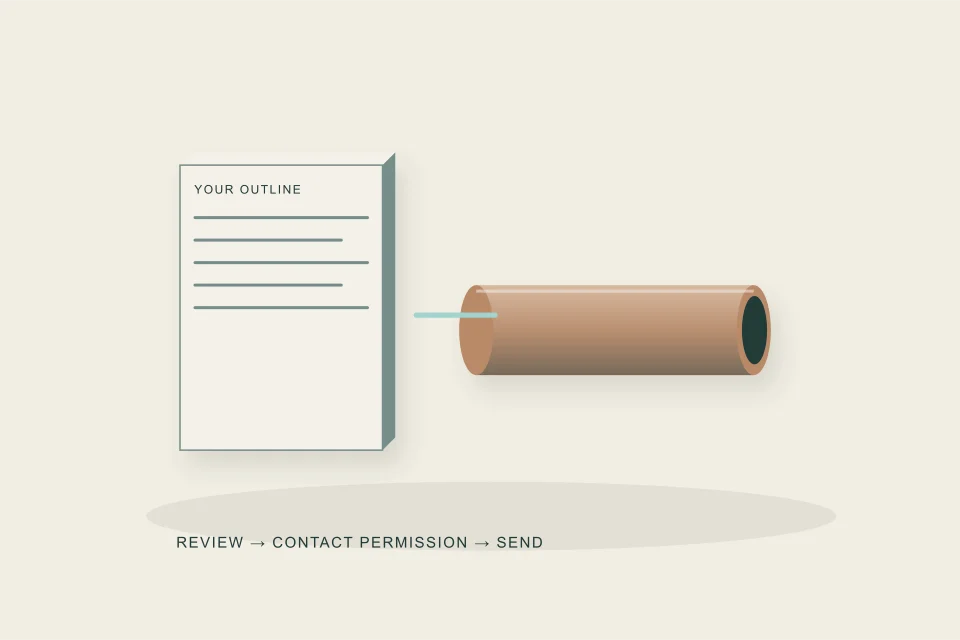
Include your city or postal code, the property use, affected fixtures and the timing of the problem. State what earlier clearing or inspection found, and attach records only through an agreed follow-up route. If access or material is unknown, say so. The request builder organizes these facts into an editable outline. It stays in this tab until you continue to the quote form, review the details and submit with contact permission. A generated outline does not reserve a visit or authorize equipment work.
Ask for a defined first task and a point at which further work needs approval. That task may be investigation, clearance or cleaning preparation for a survey. Identify who can grant access and who can approve extra work. A person available at the property may not be the person who approves the budget. Keep those roles clear so an uncertain finding produces a documented decision rather than an unreviewed expansion of the visit.
09 /What should you compare beside the cleaning price?
List the target section, setup, access assessment, machine work and expected completion evidence. Ask whether camera recording, locating and a return visit are included or priced separately. A lower headline can describe a smaller task. Give each bidder the same records and request the same outcome before comparing totals. This guide does not publish a fixed local price because the actual route, condition, access and work extent require assessment. The provider must confirm its final scope and price.
Make exclusions understandable. If a provider cannot complete the intended run, ask how it records that result and which next step may be needed. If restoration, repair or remediation is outside the task, identify it separately. Keep the written scope and completion record with the property history. Those records can explain a later event more accurately than a claim that the sewer was cleaned once, without any note of where the work began or ended.
10 /How does HAUSE follow-up work?
HAUSE Sewer is an independent information and service-request network and does not carry out drain or sewer work. A submitted request goes to the HAUSE team for review and, with permission, possible introduction to a qualified provider where available. The provider confirms suitability, availability and price. Ask HAUSE can explain general options and help you organize questions; it cannot diagnose the pipe, confirm an appointment or submit a request merely because you typed a message.
Keep account numbers, identification documents, tenant details and private insurance records out of general chat. Put only the needed contact and project information in the consent form. Confirm the location and best contact method before sending, and retain any on-screen submission reference. A failure message means the request needs attention; a locally generated brief alone is not proof of delivery. For an active hazard, use appropriate immediate assistance and do not wait for an online review.
FAQQuestions people ask
What should a facility manager receive at handback?
Request the assets serviced, cleaning extent, findings, limitations and outstanding actions. Identify who confirms the agreed operational handback and which additional work still needs approval. Keep the record against the asset register.
Does HAUSE carry out hydro jetting?
No. HAUSE Sewer provides information and receives service requests. A qualified provider must assess the line and confirm any cleaning work, price and availability.
Can I request a quote through this site?
Yes. Use the cleaning request builder or the quote form, review the project details and give contact permission. The team can review the request and seek a provider introduction where available.
Does building the outline send anything?
No. Tool answers stay in this tab until you continue to the quote form and submit it. Review the carried-over outline before sending; it is editable.
Is hydro jetting always better than a snake?
No. The restriction, condition, access and cleaning objective matter. Ask the provider which method fits the assessed task and how it will demonstrate the result.
Can cleaning fix a broken or sagging pipe?
Cleaning does not reconstruct a damaged pipe or change its alignment. It may restore a passage or prepare for assessment, while a separate repair decision addresses the recorded physical condition.
NETWORKGo deeper across the HAUSE Sewer network
Common sewer defects, explained by what they do to the pipe
Common sewer defects explained: roots, cracks, fractures, offset and separated joints, sags, deposits, holes and collapse, with severity and usual next steps.
PipeCleaning.caCondo and apartment drain stack cleaning
Condo and apartment drain stack cleaning: why kitchen stacks back up on lower floors, how stacks are jetted or descaled, and how boards schedule it.
SewerJetting.caHydro jetting cost in Canada: typical quoted ranges and what drives them
Hydro jetting cost in Canada for 2026: typical quoted ranges for main lines, kitchen lines, camera add-ons, roots, after-hours and commercial work.