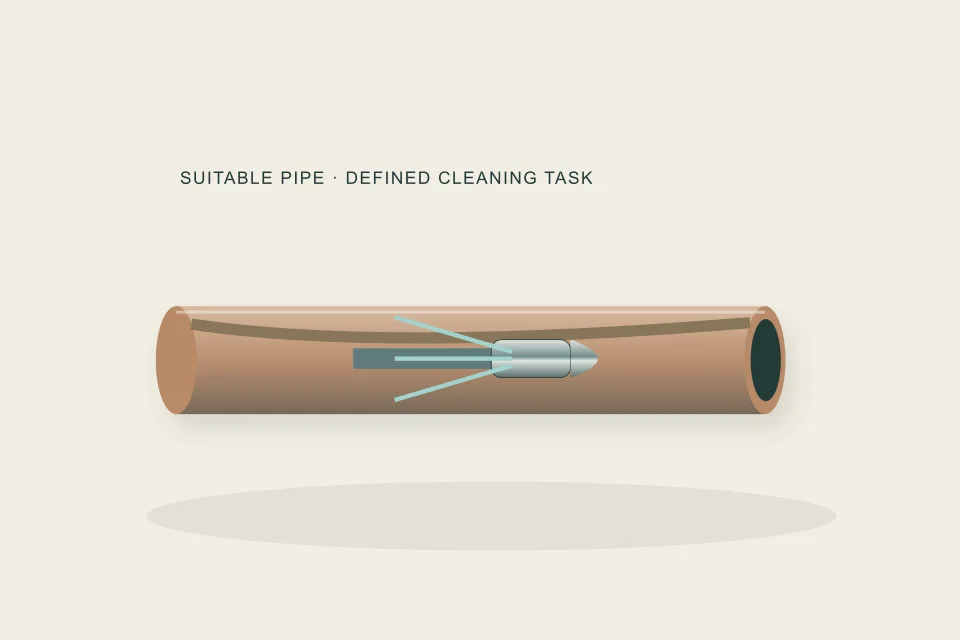
A pre-cleaning survey can record the visible restriction; a post-cleaning survey can reveal surfaces that were previously obscured. They answer different questions, and either may have limits. Agree on the route, coverage, recording and written findings before assuming a camera add-on is a complete inspection.
- Before-cleaning footage records what is visible before deposits are removed.
- After-cleaning footage can reveal pipe surfaces that were previously hidden.
- Identify the access point, direction and reached endpoint on each recording.
- An unviewed section stays unknown even when water flows again.
01 /Why film before cleaning?
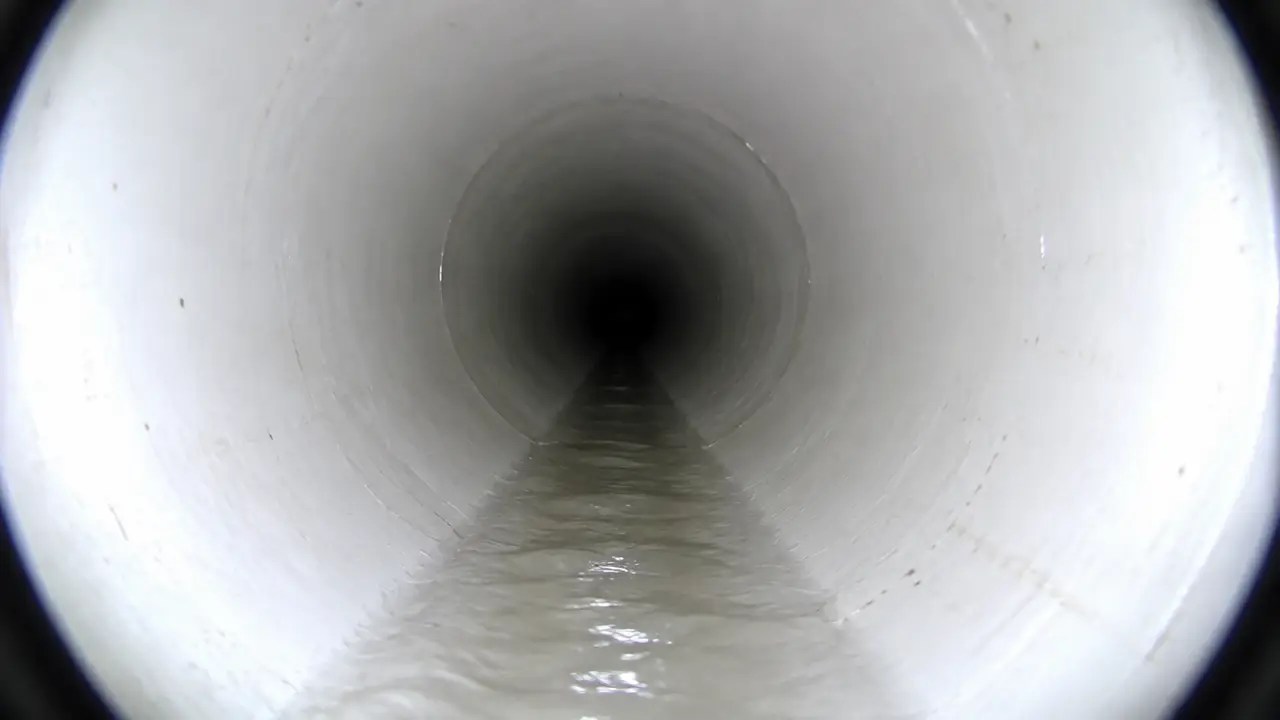
An initial recording can preserve what the provider encountered, including deposits, standing water or a point where travel stopped. It can help explain why the cleaning task was proposed. The view may be incomplete or obscured, so the report should say which observations were possible. Ask whether the objective is an initial look or a full condition survey. A short diagnostic view can be useful without being represented as a complete record of every connected line.
02 /What changes after cleaning?
Cleaning may expose a pipe surface or allow the camera to travel farther. That is an opportunity to ask new condition questions rather than simply repeat the original description. Define the intended endpoint and reference the same entry point where possible. Ask whether the provider records the complete run or selected clips. Where the camera remains obstructed, the unknown section should remain clearly identified. A change in flow is helpful evidence but cannot replace a view required for a particular repair decision.
03 /What should the files contain?
Request the date, access point, travel direction and extent surveyed, along with the original recording and written findings where included. Ask how approximate camera distance is referenced and whether surface locating is a separate service. A file named sewer video is easily lost among other property records. Use a property reference and date while keeping unnecessary personal details out of a shareable review copy. Save files locally if the provider supplies a link that may later expire.
04 /How can findings be reviewed without over-reading them?
Separate what the camera visibly records from the interpretation and recommendation. A dark area, water or incomplete travel can have more than one explanation. Ask the provider to identify the observation and any limitation that affects confidence. Do not assign an inspection code or replacement requirement from a single screenshot. A second reviewer should receive the original footage and scope so they can understand context, coverage and the question the first survey was intended to answer.
05 /What is a practical booking checklist?
Ask whether cleaning time is included, how the provider authorizes added work and what happens if safe access is unavailable. Identify the line or branch of concern and whether the first objective is clearance or a documented assessment. Agree how the results will be delivered and who can answer follow-up questions. If construction may follow, retain the inspection as a separate record with its own limitations. This makes future quotes easier to compare and prevents a short camera glance becoming the only evidence for an expensive decision.
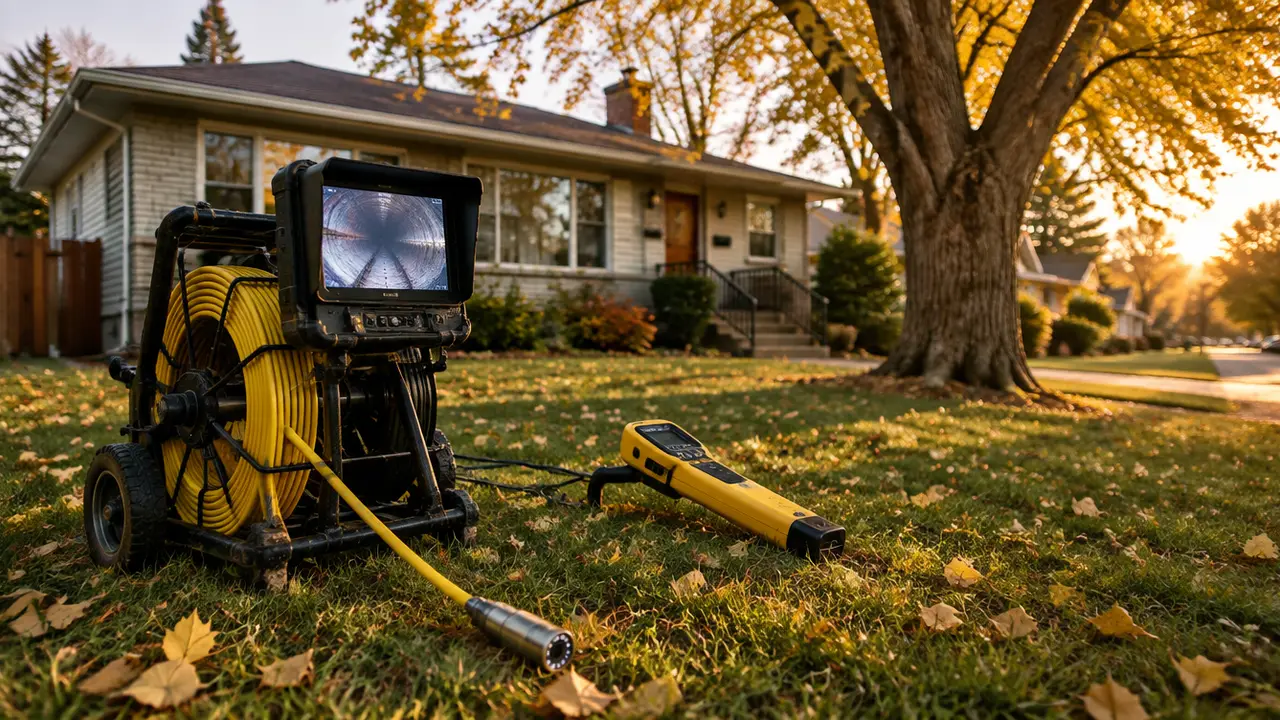
06 /Why must both recordings use an identifiable starting point?
Recordings are easier to compare when they identify the entry point and explain where the distance counter starts. “Twenty metres from the basement cleanout” is a useful reference; “twenty metres” alone is ambiguous. A camera may enter from a different access point on a later visit, so identical distance readings can refer to different locations. Ask for the direction of travel, visible junctions and any change of pipe material to be noted alongside the footage. A simple route sketch can connect these details without pretending to be a surveyed plan.
The counter measures camera travel along the pipe; it is not a direct measurement across the lawn. A locator observation can help connect footage to a surface position, but the provider should explain its limitations and any uncertainty in depth or route. Keep the original continuous files as well as selected images. A still image of a clean wall is useful evidence at that point, but it cannot establish that the entire intended segment was examined.
07 /How do you handle an incomplete before or after inspection?
Treat an incomplete run as a documented limit, not a clean result. If the camera cannot see through standing water or pass an obstruction, ask where the view became limited and what was actually observed before that point. The next step may be controlled cleaning, another access point or a repair assessment; it should follow the recorded finding. Do not let a report label an unseen downstream section as clear simply because water now drains from one fixture.
After cleaning, compare the specific question that prompted the work. Was the grease-coated segment visible, was a root entry still present, or was the formerly inaccessible section reached? Ask the report to distinguish cleaning outcomes from structural observations. Remaining deposits, a submerged section and a suspected defect need different explanations. If a follow-up visit is proposed, its written objective should identify which missing evidence it will obtain, rather than repeating an open-ended camera appointment.
08 /How can the first enquiry lead to a useful scope?
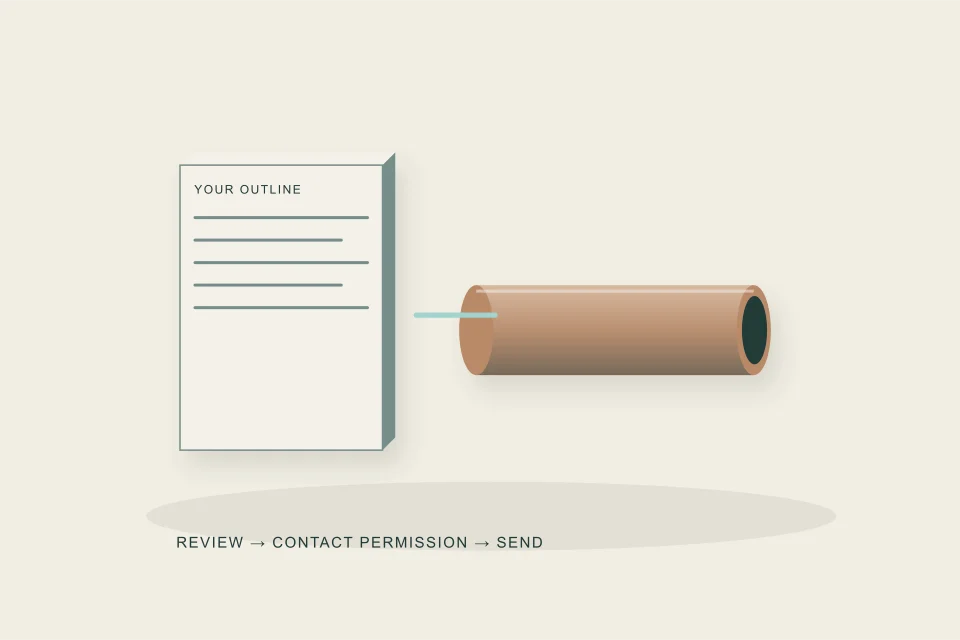
Include your city or postal code, the property use, affected fixtures and the timing of the problem. State what earlier clearing or inspection found, and attach records only through an agreed follow-up route. If access or material is unknown, say so. The request builder organizes these facts into an editable outline. It stays in this tab until you continue to the quote form, review the details and submit with contact permission. A generated outline does not reserve a visit or authorize equipment work.
Ask for a defined first task and a point at which further work needs approval. That task may be investigation, clearance or cleaning preparation for a survey. Identify who can grant access and who can approve extra work. A person available at the property may not be the person who approves the budget. Keep those roles clear so an uncertain finding produces a documented decision rather than an unreviewed expansion of the visit.
09 /What should you compare beside the cleaning price?
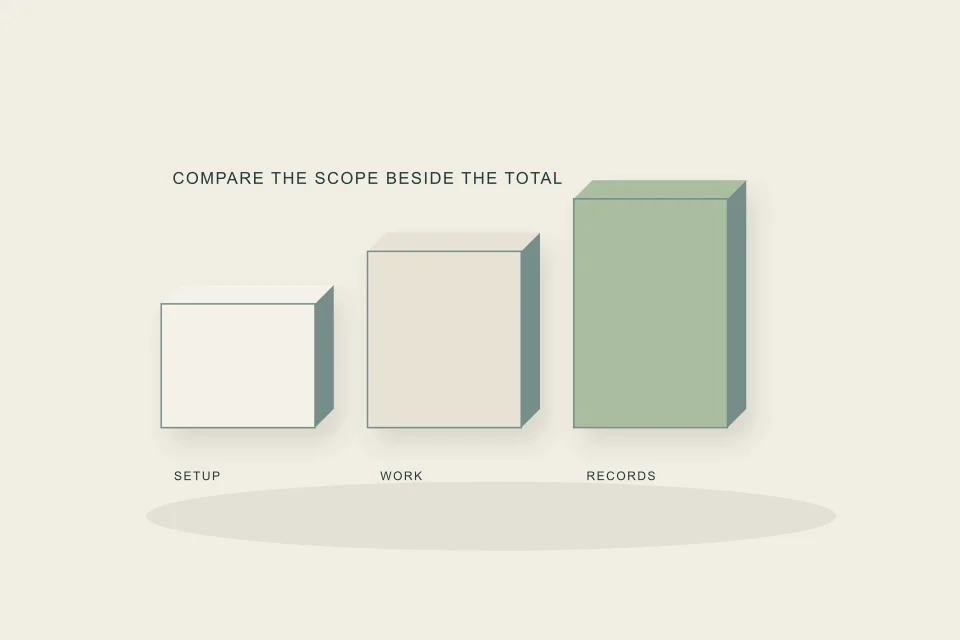
List the target section, setup, access assessment, machine work and expected completion evidence. Ask whether camera recording, locating and a return visit are included or priced separately. A lower headline can describe a smaller task. Give each bidder the same records and request the same outcome before comparing totals. This guide does not publish a fixed local price because the actual route, condition, access and work extent require assessment. The provider must confirm its final scope and price.
Make exclusions understandable. If a provider cannot complete the intended run, ask how it records that result and which next step may be needed. If restoration, repair or remediation is outside the task, identify it separately. Keep the written scope and completion record with the property history. Those records can explain a later event more accurately than a claim that the sewer was cleaned once, without any note of where the work began or ended.
10 /How does HAUSE follow-up work?
HAUSE Sewer is an independent information and service-request network and does not carry out drain or sewer work. A submitted request goes to the HAUSE team for review and, with permission, possible introduction to a qualified provider where available. The provider confirms suitability, availability and price. Ask HAUSE can explain general options and help you organize questions; it cannot diagnose the pipe, confirm an appointment or submit a request merely because you typed a message.
Keep account numbers, identification documents, tenant details and private insurance records out of general chat. Put only the needed contact and project information in the consent form. Confirm the location and best contact method before sending, and retain any on-screen submission reference. A failure message means the request needs attention; a locally generated brief alone is not proof of delivery. For an active hazard, use appropriate immediate assistance and do not wait for an online review.
FAQQuestions people ask
Why do I need both recordings to identify their starting point?
A consistent access reference, direction and surveyed extent help a reviewer relate the before and after views to the same section. Without those details, two videos may show different runs or leave their overlap uncertain.
Does HAUSE carry out hydro jetting?
No. HAUSE Sewer provides information and receives service requests. A qualified provider must assess the line and confirm any cleaning work, price and availability.
Can I request a quote through this site?
Yes. Use the cleaning request builder or the quote form, review the project details and give contact permission. The team can review the request and seek a provider introduction where available.
Does building the outline send anything?
No. Tool answers stay in this tab until you continue to the quote form and submit it. Review the carried-over outline before sending; it is editable.
Is hydro jetting always better than a snake?
No. The restriction, condition, access and cleaning objective matter. Ask the provider which method fits the assessed task and how it will demonstrate the result.
Can cleaning fix a broken or sagging pipe?
Cleaning does not reconstruct a damaged pipe or change its alignment. It may restore a passage or prepare for assessment, while a separate repair decision addresses the recorded physical condition.
NETWORKGo deeper across the HAUSE Sewer network
What happens during a professional sewer cleaning visit
A step-by-step look at a professional sewer cleaning visit: arrival, questions, access, cleaning, flow testing, camera verification and the paperwork you keep.
SewerRoots.caWhat tree roots in a sewer line look like, on camera and on the cable
What tree roots in a sewer line look like on camera: fine roots, tap roots and root balls, PACP codes, look-alikes like grease, and what cut joints show.
SewerJetting.caIs hydro jetting safe for old pipes?
Is hydro jetting safe for old pipes? How jetting affects vitrified clay, cast iron, Orangeburg, concrete and plastic, and why camera-first matters.