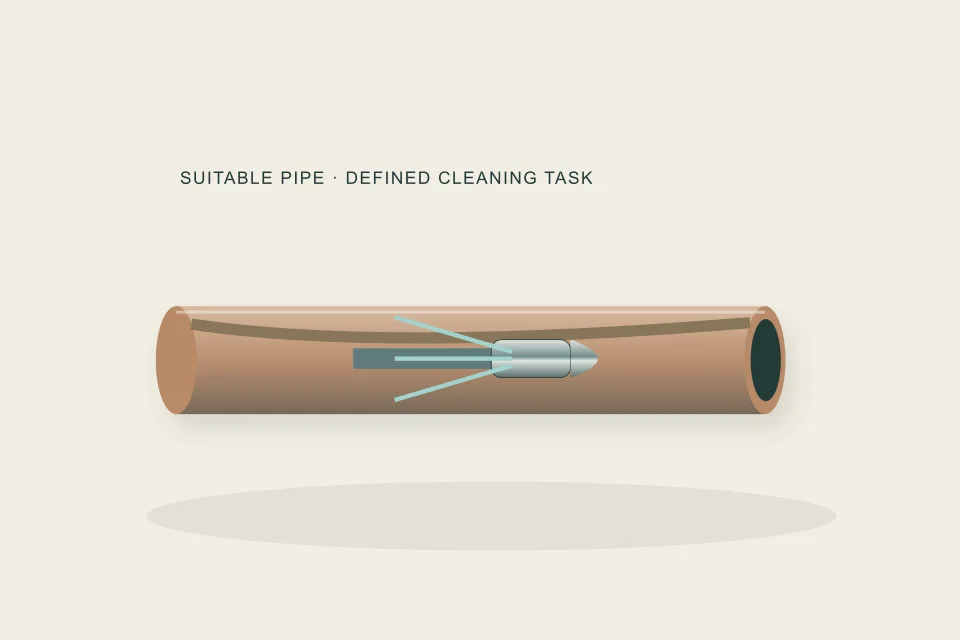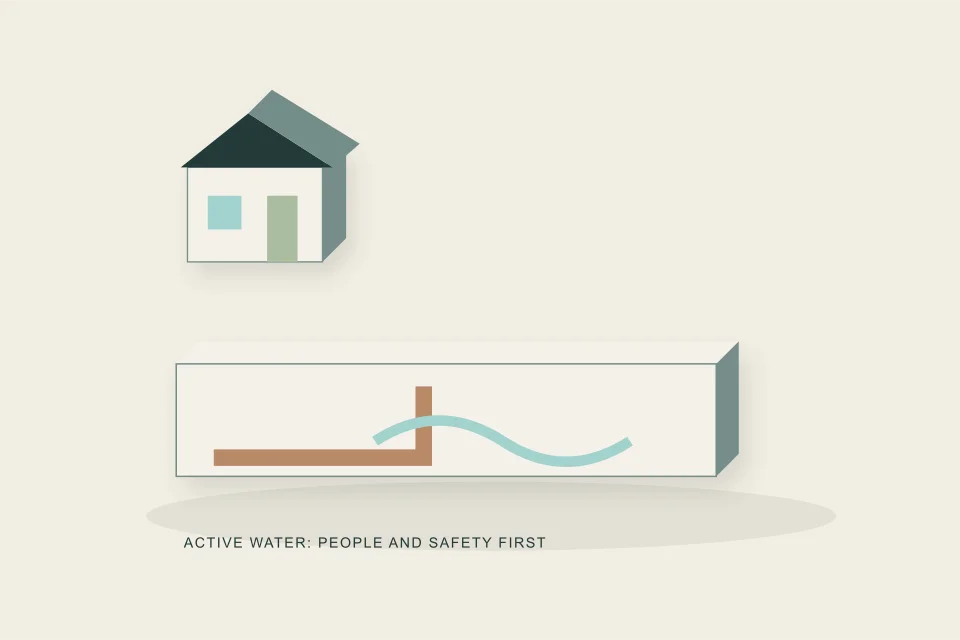
If wastewater is actively backing up, stop water use and keep people away from the affected area and wet electrical equipment. An online request is not emergency dispatch. From a safe position, note which fixtures are affected and contact appropriate local assistance before planning a cleaning visit.
- During an active backup, stop water use and stay clear of the affected area.
- Calgary directs sewage-backup reports to 311; an online enquiry is not dispatch.
- Record affected fixtures and timing without running more water to test them.
- Keep pipe clearance, contamination cleanup and later investigation as separate tasks.
01 /What takes priority during an active backup?
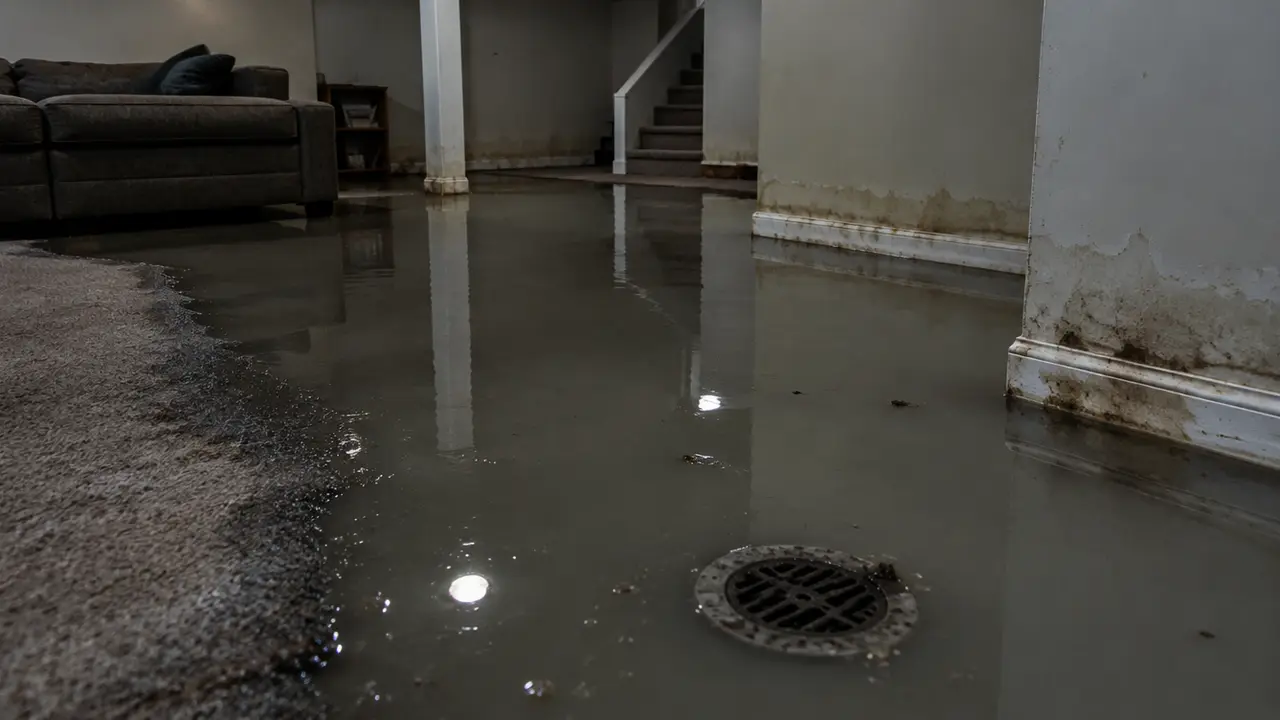
Protect people before gathering a quote. Keep occupants and pets away from contaminated water. Do not enter water to reach an outlet, appliance or electrical panel, and do not open sewer covers to release the pressure. If there is immediate danger, use emergency services from a safe location. The service-request form is asynchronous and must not be relied on for a confirmed arrival. A practical online brief can wait until the immediate situation has been addressed.
02 /What does Calgary advise?
The City of Calgary directs residents with a sewage backup to call 311 so the issue can be assessed for a possible City infrastructure concern. Its current guidance is linked below. HAUSE cannot make that assessment, dispatch a City crew or decide the responsibility boundary from a message. Keep any official case reference and instructions with the later private-provider request. If the property is outside Calgary, contact the applicable local authority rather than assuming Calgary procedures apply.
03 /Which observations can be gathered safely?
Note when the event began, which opening released water and what fixtures were in use before it happened. Describe odour or colour only if already apparent from a safe position. Do not run additional water to reproduce the event. Record whether the property has previous backups or a known cleanout, without removing its cap. A photograph taken from a dry, safe location may help describe access, but it is not a diagnosis or permission to work in contaminated space.
04 /How do clearance and damage recovery differ?
Restoring a drain passage and remediating affected materials are separate tasks. Ask each provider to identify its scope, limits and records. Contact the appropriate insurer or property manager about damage handling where relevant; do not assume a plumbing invoice establishes coverage or reimbursement. Keep incident notes and records without exposing personal policy details in public chat. A later repair assessment should reference the actual pipe findings rather than infer a construction requirement from the extent of indoor damage alone.
05 /What should the later cleaning request include?
Once immediate assistance has been arranged, provide the location, incident timeline, prior work and any official or provider notes. Explain whether flow has been restored and what still needs assessment. A useful next request may be a defined condition survey rather than another unrestricted clearing visit. Identify who can authorize access and additional work. Keep any unresolved part of the route clearly recorded so a successful immediate clearance is not mistaken for a complete inspection or permanent repair.
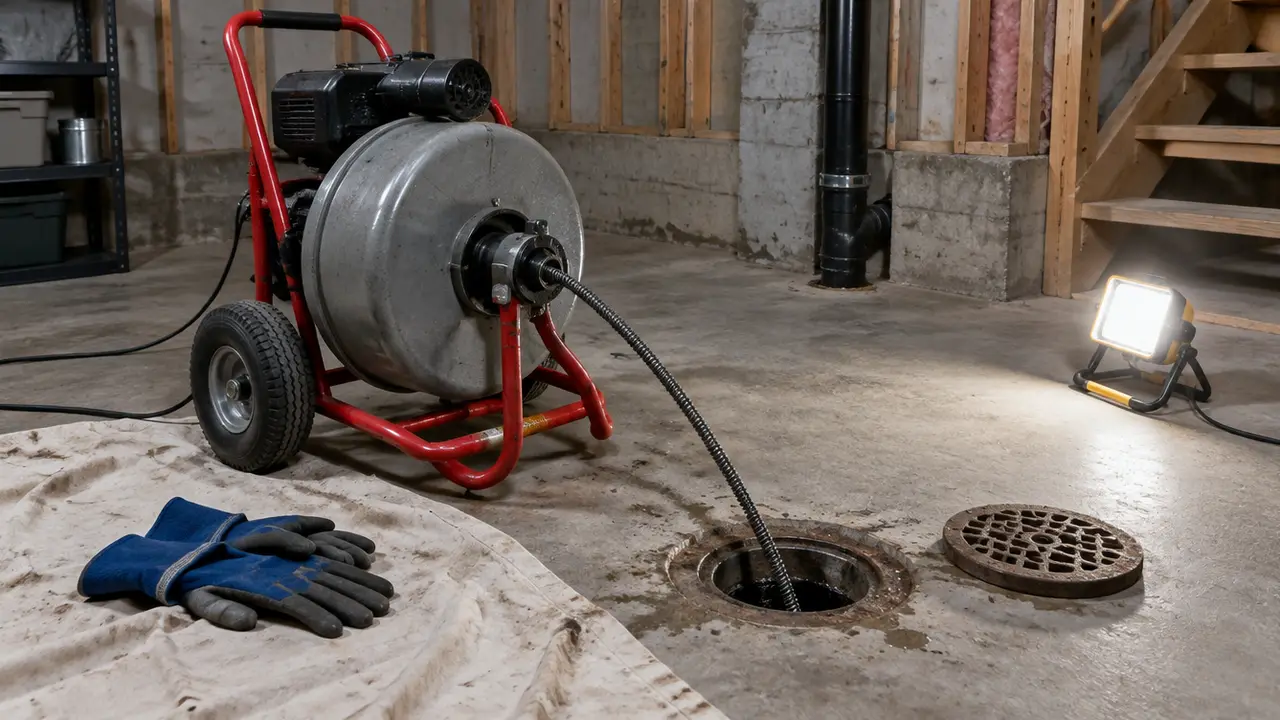
06 /How do you report the affected fixtures without testing them?
Describe what happened during ordinary use; do not recreate a backup to make a better report. A useful account might say that the basement floor drain rose while the upstairs shower was already running, and that water use stopped afterward. That observation helps define the enquiry without identifying the blockage location. A slow sink alone and several affected fixtures create different investigation questions, but neither is a diagnosis. Record the time, which fixtures were in use and whether the level is still changing from a safe, dry position.
Separate what you saw from what somebody suggested. Write “dark water appeared at the floor drain” as an observation and “possible main-line restriction” as an unconfirmed interpretation. Tell the responder if chemical cleaner was used and retain its packaging information without handling contaminated containers. Do not open a cleanout, remove a toilet or operate equipment to collect evidence. The provider needs to choose safe access and assess the risk before disturbing the line.
07 /Which three records help after the immediate incident?
Keep the incident record, the pipe-work record and the damage-restoration record as separate documents. The first records the affected areas and response timeline. The second identifies the access point, work performed, route reached and remaining uncertainty. The third describes contaminated materials, drying or cleaning work and its scope. A drain flowing again does not establish that the affected room is ready for use; a room cleaned up does not prove the underlying pipe problem was corrected.
Ask who will provide each document and when. If a City crew attended, retain the Customer Service Report with the later private-provider report. When requesting hydro jetting afterward, include the actual clearance finding rather than automatically booking the same method. For example, a removed obstruction with unknown pipe condition calls for a different discussion from documented grease along an accessible segment. Put the known finding and the unanswered question into the editable cleaning request.
08 /How can the first enquiry lead to a useful scope?
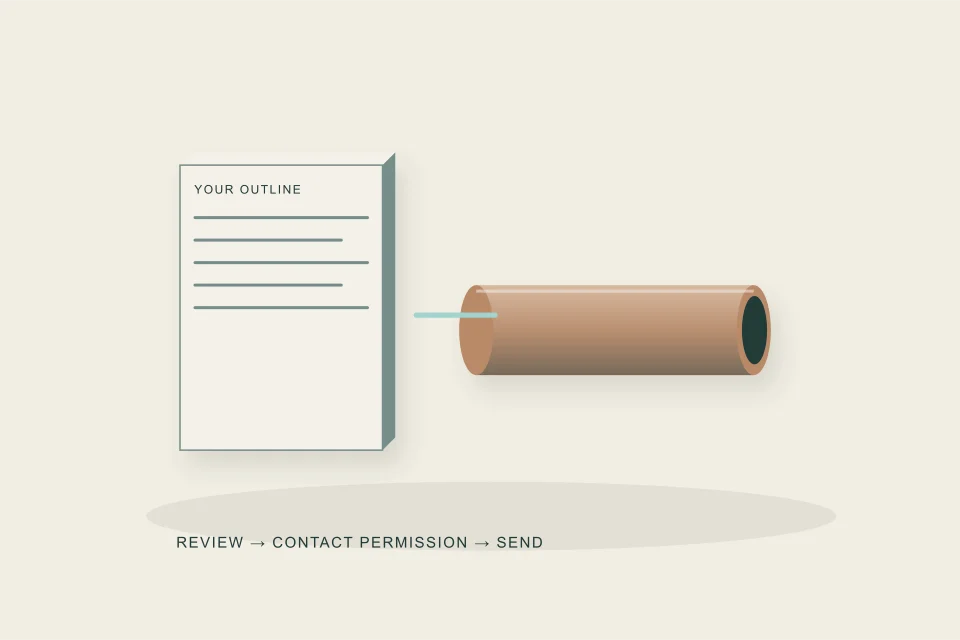
Include your city or postal code, the property use, affected fixtures and the timing of the problem. State what earlier clearing or inspection found, and attach records only through an agreed follow-up route. If access or material is unknown, say so. The request builder organizes these facts into an editable outline. It stays in this tab until you continue to the quote form, review the details and submit with contact permission. A generated outline does not reserve a visit or authorize equipment work.
Ask for a defined first task and a point at which further work needs approval. That task may be investigation, clearance or cleaning preparation for a survey. Identify who can grant access and who can approve extra work. A person available at the property may not be the person who approves the budget. Keep those roles clear so an uncertain finding produces a documented decision rather than an unreviewed expansion of the visit.
09 /What should you compare beside the cleaning price?
List the target section, setup, access assessment, machine work and expected completion evidence. Ask whether camera recording, locating and a return visit are included or priced separately. A lower headline can describe a smaller task. Give each bidder the same records and request the same outcome before comparing totals. This guide does not publish a fixed local price because the actual route, condition, access and work extent require assessment. The provider must confirm its final scope and price.
Make exclusions understandable. If a provider cannot complete the intended run, ask how it records that result and which next step may be needed. If restoration, repair or remediation is outside the task, identify it separately. Keep the written scope and completion record with the property history. Those records can explain a later event more accurately than a claim that the sewer was cleaned once, without any note of where the work began or ended.
10 /How does HAUSE follow-up work?
HAUSE Sewer is an independent information and service-request network and does not carry out drain or sewer work. A submitted request goes to the HAUSE team for review and, with permission, possible introduction to a qualified provider where available. The provider confirms suitability, availability and price. Ask HAUSE can explain general options and help you organize questions; it cannot diagnose the pipe, confirm an appointment or submit a request merely because you typed a message.
Keep account numbers, identification documents, tenant details and private insurance records out of general chat. Put only the needed contact and project information in the consent form. Confirm the location and best contact method before sending, and retain any on-screen submission reference. A failure message means the request needs attention; a locally generated brief alone is not proof of delivery. For an active hazard, use appropriate immediate assistance and do not wait for an online review.
FAQQuestions people ask
What should I record before requesting later drain cleaning?
From a safe position, note the affected fixtures, when the backup started and what earlier work found. Keep incident and service records. Do not run extra water or enter the affected area to gather evidence.
Does HAUSE carry out hydro jetting?
No. HAUSE Sewer provides information and receives service requests. A qualified provider must assess the line and confirm any cleaning work, price and availability.
Can I request a quote through this site?
Yes. Use the cleaning request builder or the quote form, review the project details and give contact permission. The team can review the request and seek a provider introduction where available.
Does building the outline send anything?
No. Tool answers stay in this tab until you continue to the quote form and submit it. Review the carried-over outline before sending; it is editable.
Is hydro jetting always better than a snake?
No. The restriction, condition, access and cleaning objective matter. Ask the provider which method fits the assessed task and how it will demonstrate the result.
Can cleaning fix a broken or sagging pipe?
Cleaning does not reconstruct a damaged pipe or change its alignment. It may restore a passage or prepare for assessment, while a separate repair decision addresses the recorded physical condition.
NETWORKGo deeper across the HAUSE Sewer network
What happens during a professional sewer cleaning visit
A step-by-step look at a professional sewer cleaning visit: arrival, questions, access, cleaning, flow testing, camera verification and the paperwork you keep.
DrainAugering.caSnaking a drain from the roof vent: when it helps and when it does not
Can you snake a drain from the roof vent? When the vent stack is the right access, clearing a blocked or frost-closed vent, and the roof safety that comes first.
PipeCleaning.caCondo and apartment drain stack cleaning
Condo and apartment drain stack cleaning: why kitchen stacks back up on lower floors, how stacks are jetted or descaled, and how boards schedule it.