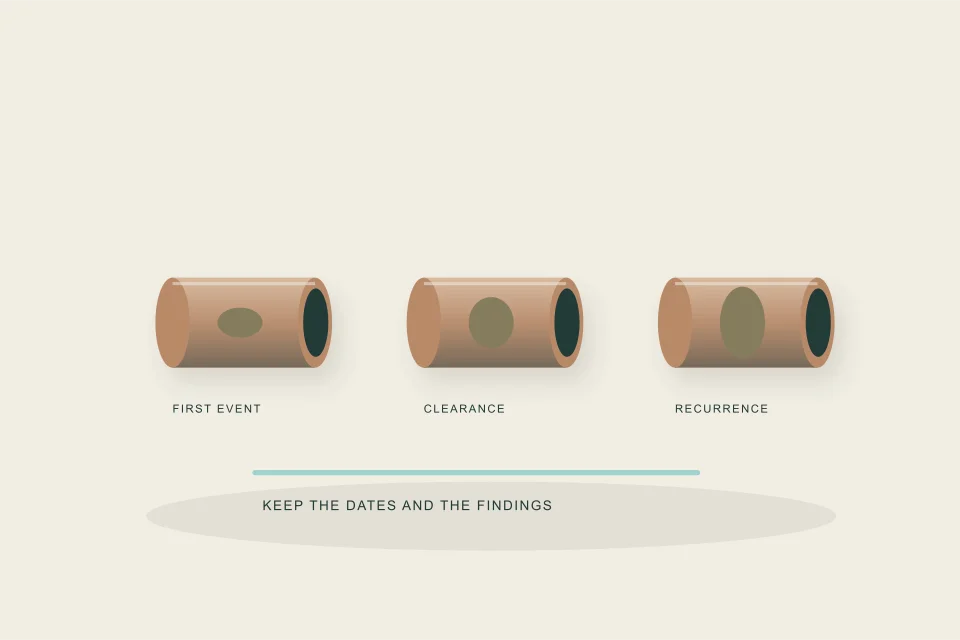
When a drain blocks repeatedly, record the interval, affected fixtures and previous work before booking the same service again. A repeat restriction can reflect deposits, an unresolved entry point or a physical pipe condition. The next visit should answer what the earlier clearance left unknown and identify an evidence-based follow-up.
- Log the recurrence interval, affected fixtures and earlier clearing extent.
- Ask what the previous visit left unexplained before repeating the same service.
- Compare deposits, entry points and physical defects using condition evidence.
- Require a reason and review point for any proposed maintenance interval.
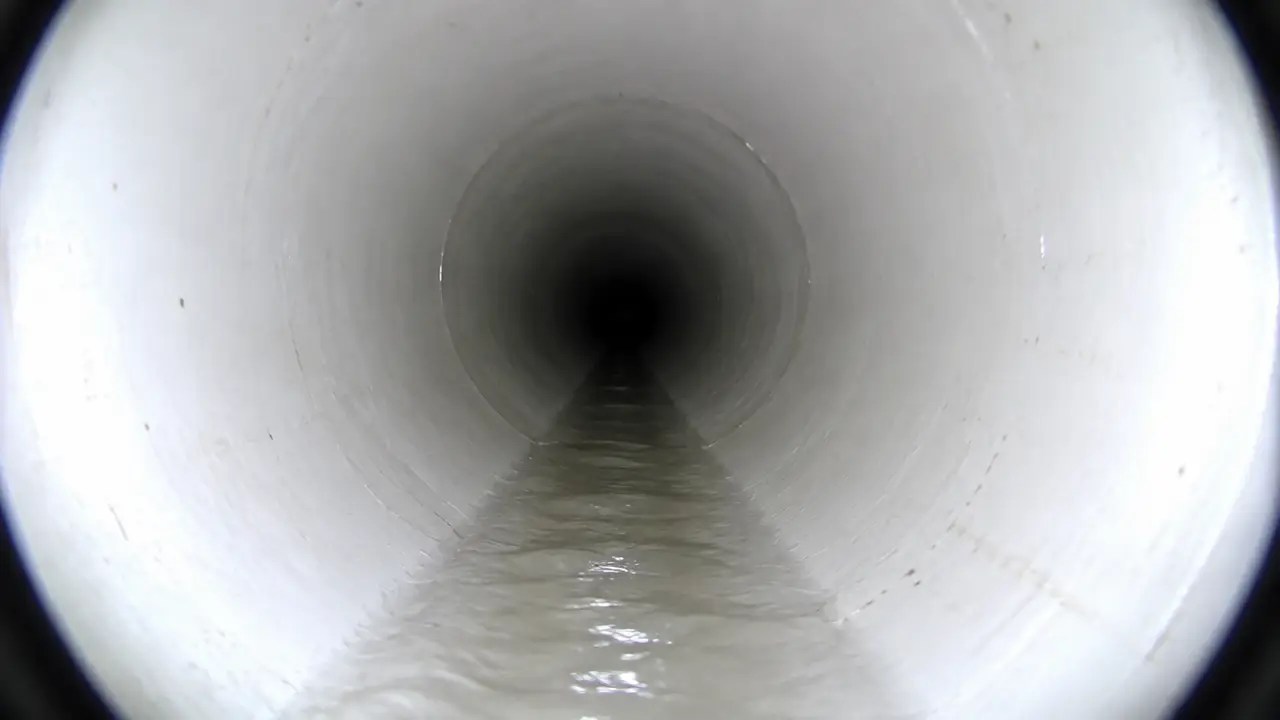
01 /What belongs in a useful blockage history?
Build a short timeline with dates, affected fixtures, provider notes and how long normal drainage lasted after each visit. Include changes such as a new tenant, a renovation or different kitchen use without assuming they caused the problem. Keep previous recordings and invoices together. A statement that the line blocks all the time is less useful than three dated events that identify the same access point and symptom. Record the last normal use too if the restriction appeared suddenly.
02 /How do symptoms help define the investigation?
A single fixture complaint may point the first investigation toward a branch; multiple fixtures reacting together can justify questions about a shared downstream route. Neither pattern diagnoses the cause on its own. Explain what you actually saw, including whether the lowest drain rose and whether other fixtures were being used. Do not recreate a backup by repeatedly running water for a video. Observations gathered from a safe, dry position can help the provider select a starting point without adding contamination.
03 /What should a repeat cleaning visit answer?
Ask what is expected to differ from the previous visit. More machine time is not an explanation by itself. The provider might propose a different cleaning objective, better access or a defined survey after clearance. Request the finding that will determine the next step. If the camera cannot travel beyond a restriction, record that limit. The unseen section stays unknown until suitable further work establishes it; it should not silently become either a clean bill of health or a full replacement recommendation.
04 /When is repair assessment appropriate?
An assessed joint problem, deformation, break or persistent low section may raise questions that cleaning cannot answer. Ask the qualified provider to identify the location, extent and consequence of the finding, then compare practical repair approaches. The decision may be a localized repair, rehabilitation, replacement or further investigation. Distinguish the evidence from the sales proposal. A pipe being old, or a tree being nearby, does not on its own establish the condition of the entire run.
05 /How should a maintenance recommendation be reviewed?
A maintenance plan needs a reason, a defined asset and a review point. Ask which observation supports the interval and what would justify changing it. Track the return of symptoms and retain completion notes after each visit. A proposed schedule is not a promise that backups cannot occur. If the same event returns sooner, bring the record back to the provider and ask which assumption needs reconsideration. Treat changes in use and pipe condition as separate questions instead of automatically shortening the schedule forever.
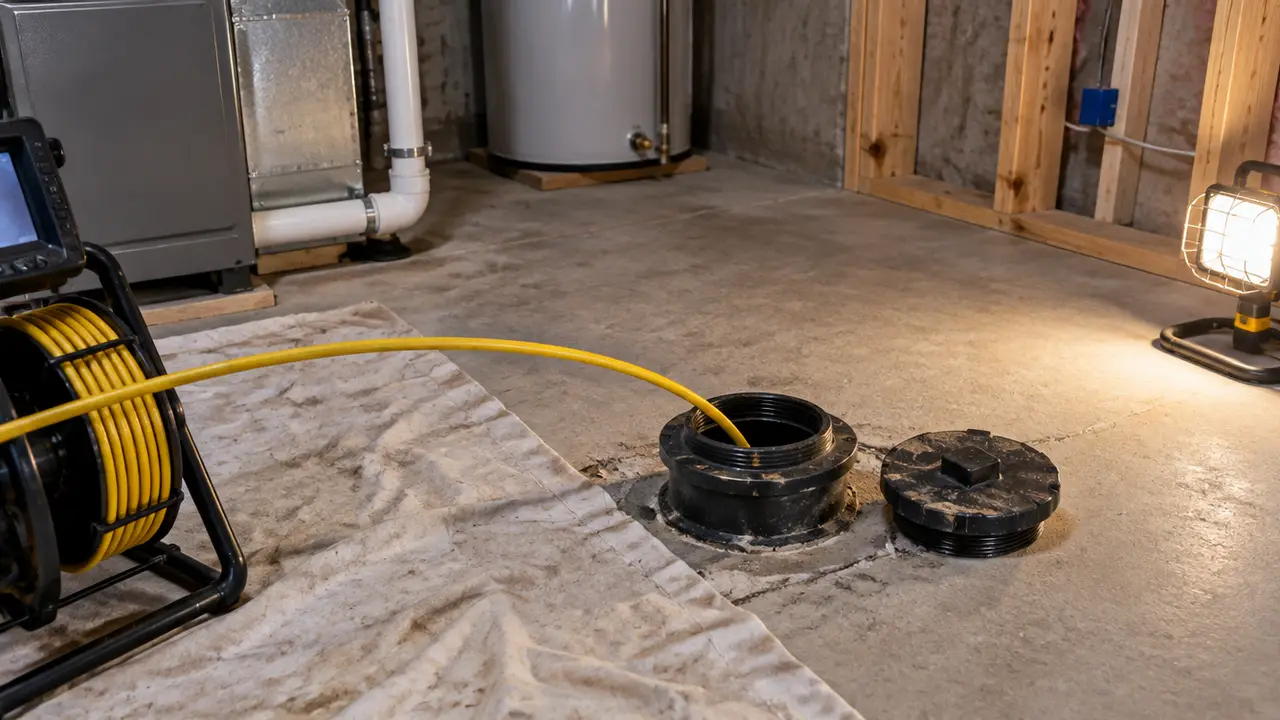
06 /What pattern should a blockage log capture?
Record ordinary-use events with enough detail to compare them over time: which fixture showed the symptom, which fixtures were already running, the time of day, and the outcome of the last visit. Note a coincident rainfall event or a change in building use as context, not a proven cause. Avoid running appliances to recreate the problem. A short factual log often gives a provider a clearer investigation question than a summary that the drain “always blocks” without identifying where or when.
Attach the actual previous service findings to the log. “Cable used through basement cleanout; route beyond obstruction not filmed” and “camera reached stated downstream endpoint after cleaning” describe different evidence. Track whether the same segment was reached on each visit and whether a material transition, deposit or defect was observed. Missing footage should remain missing rather than being replaced with a remembered clean bill of health. This helps the next provider assess whether it is repeating work or resolving an unanswered question.
07 /How do you judge a proposed maintenance interval?
A maintenance interval should have a stated reason and a review point. Ask which observed condition or operating pattern supports it, what the visit is intended to prevent, and what evidence would justify changing the interval. A universal calendar recommendation does not address the differences between a documented grease problem, a recurring root entry and an unexplained restriction. Cleaning can be part of maintenance, but repeated improvement in flow does not establish that a structural issue has disappeared.
Compare the ongoing maintenance proposal with a bounded investigation or repair assessment when the evidence warrants one. Keep the comparison explicit: what each option addresses, what remains unresolved, which additional access is needed and which completion records would be supplied. Do not infer that recurrence alone requires replacement. Likewise, do not treat successful clearance as proof that further assessment has no value. The most useful next step is the one that answers the specific remaining question in the blockage history.
08 /How can the first enquiry lead to a useful scope?
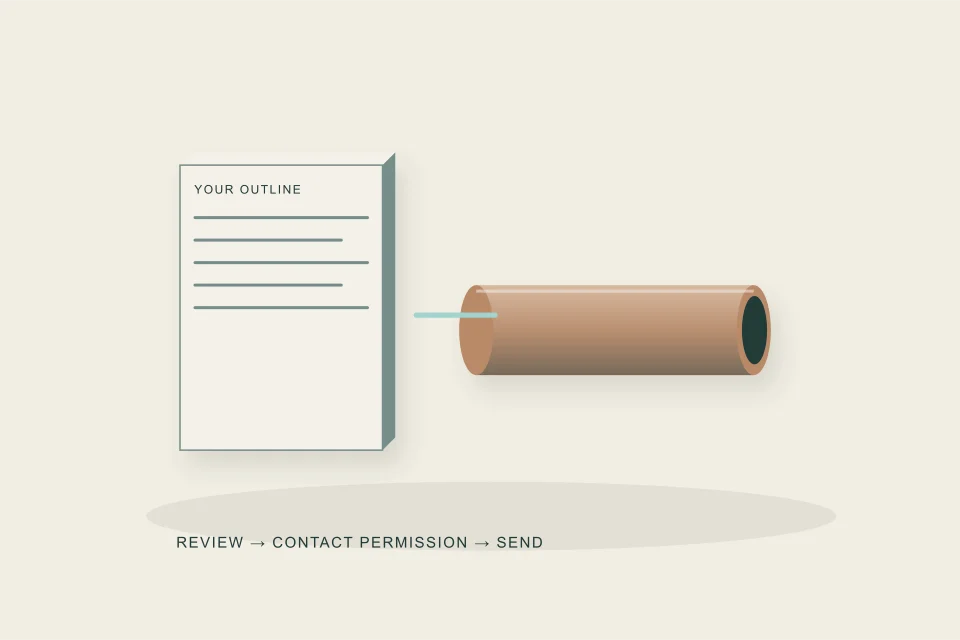
Include your city or postal code, the property use, affected fixtures and the timing of the problem. State what earlier clearing or inspection found, and attach records only through an agreed follow-up route. If access or material is unknown, say so. The request builder organizes these facts into an editable outline. It stays in this tab until you continue to the quote form, review the details and submit with contact permission. A generated outline does not reserve a visit or authorize equipment work.
Ask for a defined first task and a point at which further work needs approval. That task may be investigation, clearance or cleaning preparation for a survey. Identify who can grant access and who can approve extra work. A person available at the property may not be the person who approves the budget. Keep those roles clear so an uncertain finding produces a documented decision rather than an unreviewed expansion of the visit.
09 /What should you compare beside the cleaning price?
List the target section, setup, access assessment, machine work and expected completion evidence. Ask whether camera recording, locating and a return visit are included or priced separately. A lower headline can describe a smaller task. Give each bidder the same records and request the same outcome before comparing totals. This guide does not publish a fixed local price because the actual route, condition, access and work extent require assessment. The provider must confirm its final scope and price.
Make exclusions understandable. If a provider cannot complete the intended run, ask how it records that result and which next step may be needed. If restoration, repair or remediation is outside the task, identify it separately. Keep the written scope and completion record with the property history. Those records can explain a later event more accurately than a claim that the sewer was cleaned once, without any note of where the work began or ended.
10 /How does HAUSE follow-up work?
HAUSE Sewer is an independent information and service-request network and does not carry out drain or sewer work. A submitted request goes to the HAUSE team for review and, with permission, possible introduction to a qualified provider where available. The provider confirms suitability, availability and price. Ask HAUSE can explain general options and help you organize questions; it cannot diagnose the pipe, confirm an appointment or submit a request merely because you typed a message.
Keep account numbers, identification documents, tenant details and private insurance records out of general chat. Put only the needed contact and project information in the consent form. Confirm the location and best contact method before sending, and retain any on-screen submission reference. A failure message means the request needs attention; a locally generated brief alone is not proof of delivery. For an active hazard, use appropriate immediate assistance and do not wait for an online review.
FAQQuestions people ask
How should I evaluate a proposed repeat-cleaning schedule?
Ask which findings and blockage history support the interval, what each visit covers and when the plan will be reviewed. Keep repeated clearing distinct from investigation or repair of an unresolved condition.
Does HAUSE carry out hydro jetting?
No. HAUSE Sewer provides information and receives service requests. A qualified provider must assess the line and confirm any cleaning work, price and availability.
Can I request a quote through this site?
Yes. Use the cleaning request builder or the quote form, review the project details and give contact permission. The team can review the request and seek a provider introduction where available.
Does building the outline send anything?
No. Tool answers stay in this tab until you continue to the quote form and submit it. Review the carried-over outline before sending; it is editable.
Is hydro jetting always better than a snake?
No. The restriction, condition, access and cleaning objective matter. Ask the provider which method fits the assessed task and how it will demonstrate the result.
Can cleaning fix a broken or sagging pipe?
Cleaning does not reconstruct a damaged pipe or change its alignment. It may restore a passage or prepare for assessment, while a separate repair decision addresses the recorded physical condition.
NETWORKGo deeper across the HAUSE Sewer network
Emergency and after-hours sewer service pricing
Emergency sewer service pricing in Canada (2026): after-hours call-out fees and surcharges in CAD, what to authorise at 2 a.m., and what can wait.
SewerCleaners.caSewer Maintenance Planner
Sewer Maintenance Planner: a suggested cleaning and camera inspection interval plus a 12-month checklist based on your house, pipes, trees and history.
SewerJetting.caHydro jetting tree roots: what it clears, and why the roots come back
Hydro jetting tree roots in a sewer line: root nozzles vs cable cutters, why roots regrow at the same joints, clay pipe care, and when to line instead.