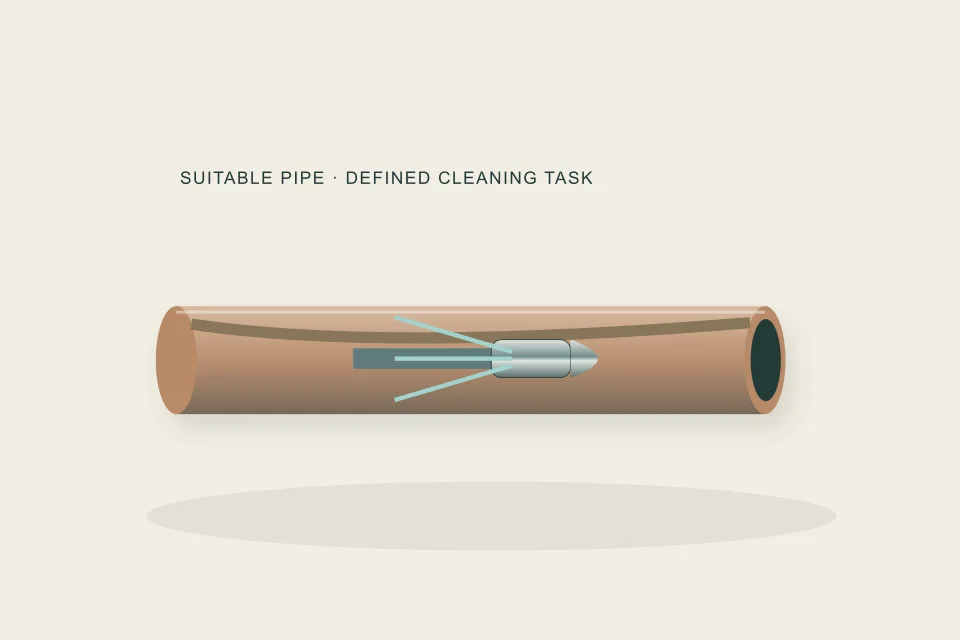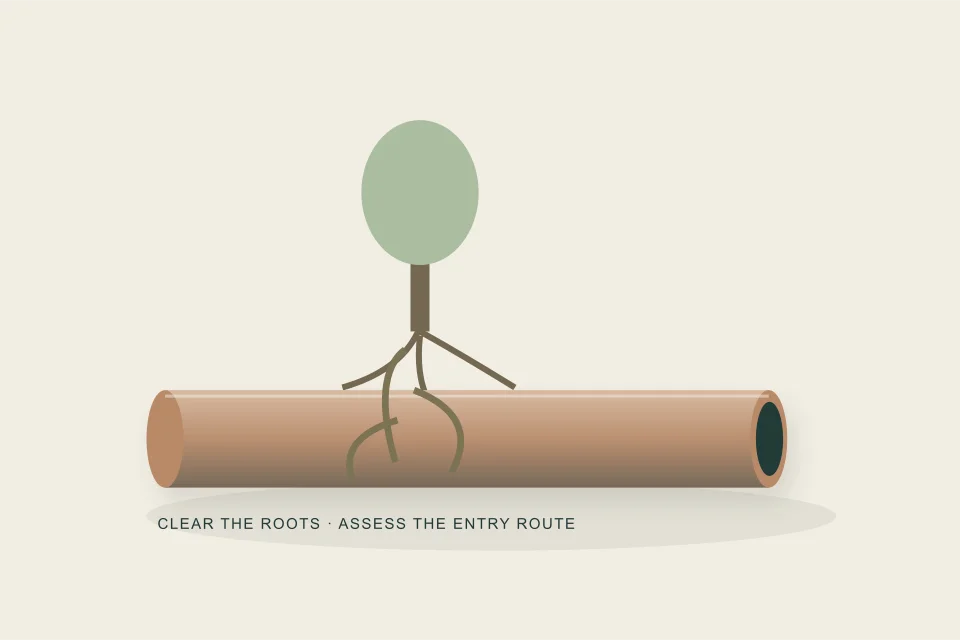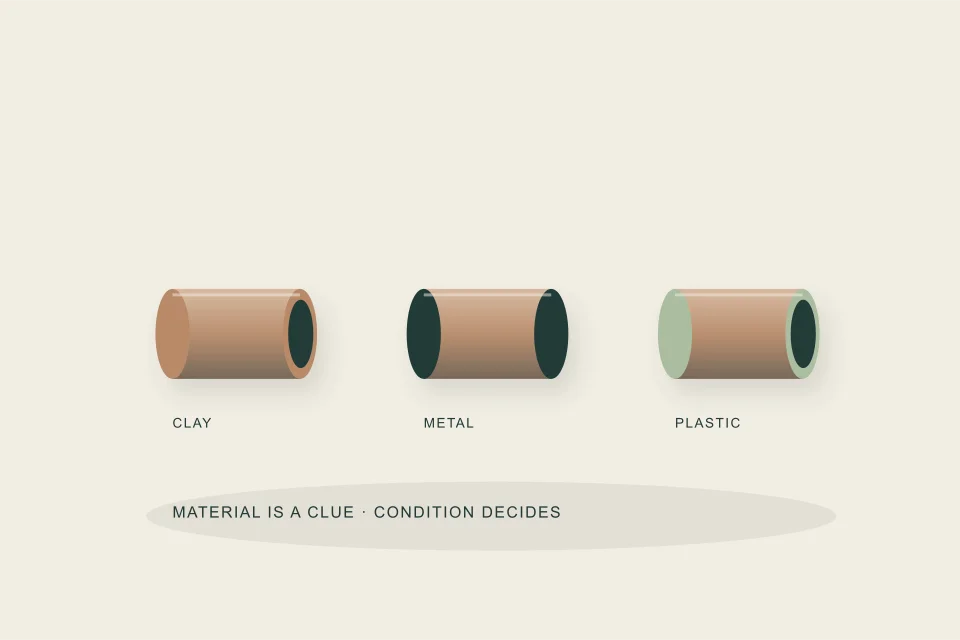
Pipe age or material alone cannot establish whether jetting is suitable. The provider needs to assess condition, access, route and cleaning objective. Tell it about known defects, earlier repairs and previous recordings. Ask how the proposed approach handles uncertainty and when it will stop for a different assessment.
- Building age does not establish the current buried pipe condition.
- Disclose known defects, previous repairs and changes in material or route.
- Ask how the provider will assess uncertain sections before cleaning them.
- Agree a specific finding that would pause work for further review.
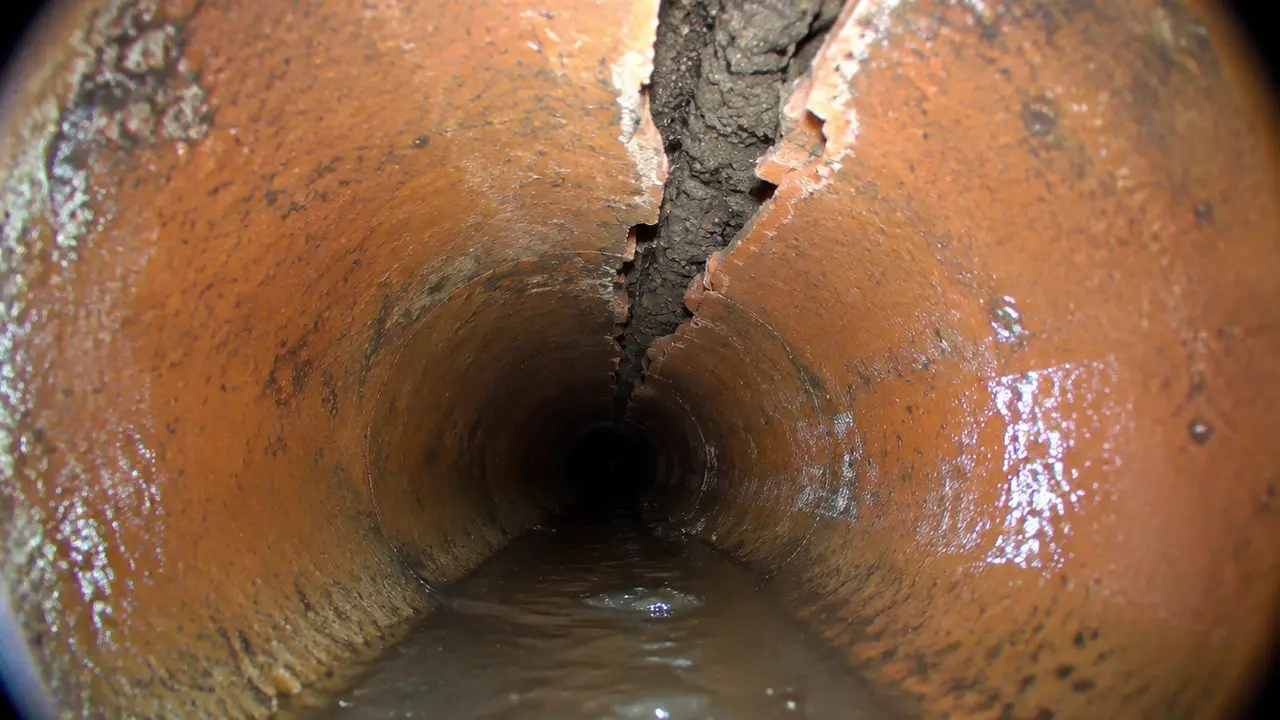
01 /What can age tell you?
A building date is a clue for record gathering, not a certificate of the pipe beneath it. A home can contain replaced sections, altered branches and a lateral that predates an addition. Ask for available repair records and let the provider identify material from suitable evidence. Avoid assigning a universal service life from a neighbourhood name. The important question for cleaning is the condition and geometry of the section to be worked on, including what cannot yet be confirmed.
02 /Which known conditions need to be disclosed?
Share reports of displaced joints, broken pipe, deformation, persistent low sections or previous incomplete surveys. Include where the observation was made and whether the provider has the actual footage. The first task may need to improve the evidence before a cleaning approach is selected. Do not conceal earlier chemical use or unsuccessful equipment attempts. A trained operator needs accurate information to assess hazards and plan the work; an online recommendation cannot substitute for that assessment.
03 /What is the difference between deposits and damaged geometry?
Deposits occupy space within a line; a broken or deformed section changes the pipe itself. A cleaning visit may address one without changing the other. Ask the provider to describe which condition it expects the task to change and what remains unresolved. When a proposal combines cleaning with repair, separate the tasks, approval points and deliverables. This avoids paying for an assumption that more cleaning will correct a defect that requires a different construction decision.
04 /What makes a cautious scope useful?
A cautious scope identifies uncertainty in advance and includes a defined stop or review point. Ask how the provider will report a finding that changes the plan. Identify who can authorize further work and how the price will be confirmed. If access proves unsuitable, a clear report of that limit still has value. Avoid a request to keep trying whatever is necessary without documented boundaries. The homeowner needs an understandable sequence, not instructions to operate the equipment personally.
05 /What should be retained after the visit?
Save the condition evidence, work extent and any recommendation for the next stage. Ask whether the result was clearance, preparation for survey or an assessed maintenance task. Where an old repair is visible, record its relation to the current problem rather than assuming the whole line has been renewed. A later construction quote should reference the relevant section and explain the proposed repair objective. Keep the unresolved portion of the route visible in the property history.
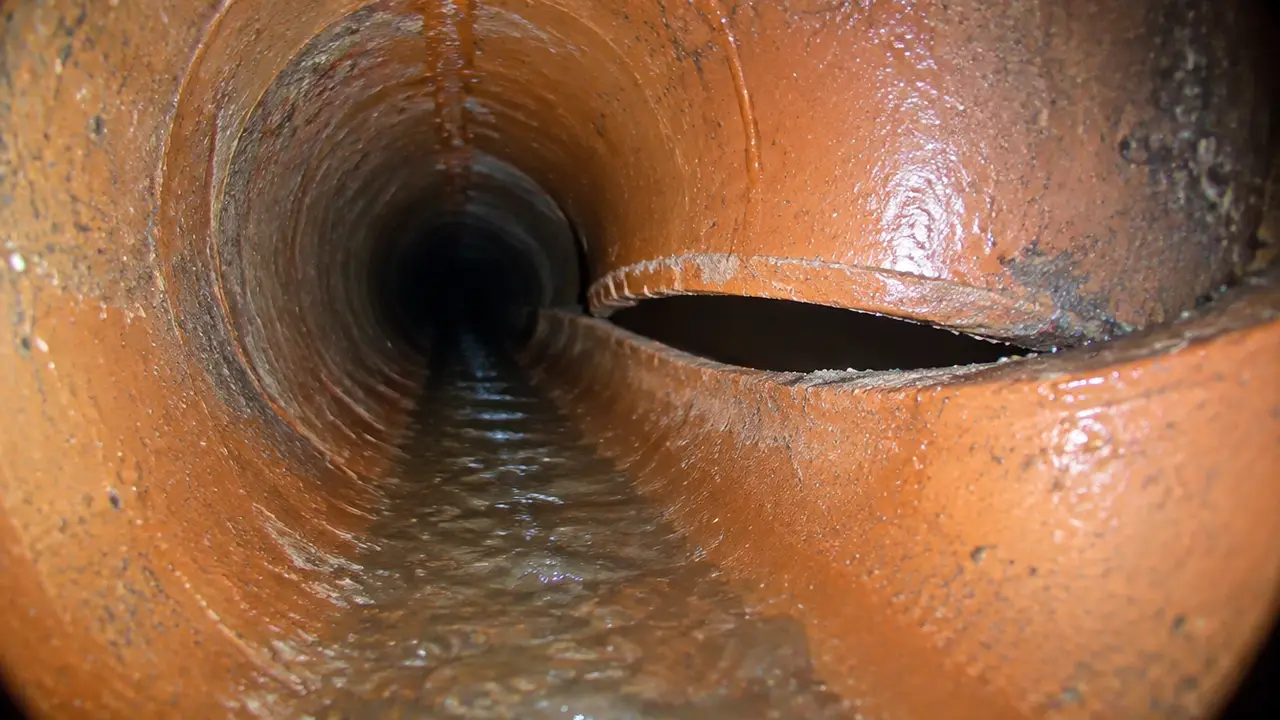
06 /Which changes along an older line need individual attention?
An older sewer may contain several materials and repair generations along one route. A visible modern section near the cleanout does not establish the condition of older pipe farther downstream. Ask the inspection record to identify observed transitions, joints and earlier repairs where they can be seen. Keep uncertain material identifications qualified. A property age, neighbourhood name or colour on a camera image is not enough to certify what the entire service is made from.
Changes in alignment and diameter also belong in the assessment. A provider should explain how the proposed cleaning segment relates to a known offset, broken area or inaccessible transition. Do not turn a general material description into an equipment setting or a universal permission to jet. The practical homeowner question is whether the observed condition supports the intended task and what limit remains. If only part of the line has been examined, put that limit in the request and the accepted scope.
07 /How do you make a stop-or-review point specific?
A useful stop point names a condition that would require another decision, such as an inability to confirm access beyond a documented damaged segment or a finding inconsistent with the expected route. Ask how that condition will be communicated and recorded before additional work is authorized. The provider makes operational safety judgments; the homeowner should not prescribe how to push through resistance or increase pressure. A written review point helps prevent an uncertain cleaning task from drifting into an unexplained repair recommendation.
Keep the pre-work evidence with the after-work report so future providers can see what changed and what did not. A line cleared for use may still have a structural defect needing review, while an incomplete camera run may leave the condition unknown. Ask for those outcomes to be stated separately. If repair assessment is recommended, require the relevant location reference and the objective of that assessment. This gives the next enquiry a concrete starting point without suggesting that cleaning established a remaining service life.
08 /How can the first enquiry lead to a useful scope?
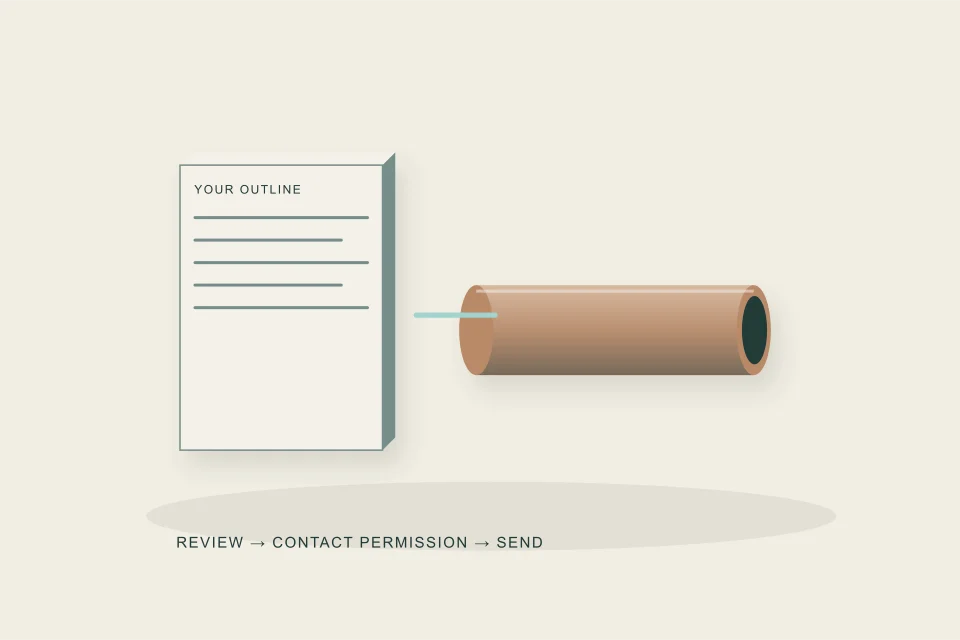
Include your city or postal code, the property use, affected fixtures and the timing of the problem. State what earlier clearing or inspection found, and attach records only through an agreed follow-up route. If access or material is unknown, say so. The request builder organizes these facts into an editable outline. It stays in this tab until you continue to the quote form, review the details and submit with contact permission. A generated outline does not reserve a visit or authorize equipment work.
Ask for a defined first task and a point at which further work needs approval. That task may be investigation, clearance or cleaning preparation for a survey. Identify who can grant access and who can approve extra work. A person available at the property may not be the person who approves the budget. Keep those roles clear so an uncertain finding produces a documented decision rather than an unreviewed expansion of the visit.
09 /What should you compare beside the cleaning price?
List the target section, setup, access assessment, machine work and expected completion evidence. Ask whether camera recording, locating and a return visit are included or priced separately. A lower headline can describe a smaller task. Give each bidder the same records and request the same outcome before comparing totals. This guide does not publish a fixed local price because the actual route, condition, access and work extent require assessment. The provider must confirm its final scope and price.
Make exclusions understandable. If a provider cannot complete the intended run, ask how it records that result and which next step may be needed. If restoration, repair or remediation is outside the task, identify it separately. Keep the written scope and completion record with the property history. Those records can explain a later event more accurately than a claim that the sewer was cleaned once, without any note of where the work began or ended.
10 /How does HAUSE follow-up work?
HAUSE Sewer is an independent information and service-request network and does not carry out drain or sewer work. A submitted request goes to the HAUSE team for review and, with permission, possible introduction to a qualified provider where available. The provider confirms suitability, availability and price. Ask HAUSE can explain general options and help you organize questions; it cannot diagnose the pipe, confirm an appointment or submit a request merely because you typed a message.
Keep account numbers, identification documents, tenant details and private insurance records out of general chat. Put only the needed contact and project information in the consent form. Confirm the location and best contact method before sending, and retain any on-screen submission reference. A failure message means the request needs attention; a locally generated brief alone is not proof of delivery. For an active hazard, use appropriate immediate assistance and do not wait for an online review.
FAQQuestions people ask
Does an older house automatically rule out hydro jetting?
No. Age alone does not decide suitability. The provider needs actual condition evidence, access and the cleaning objective, including known repairs or defects. Ask which findings would change its proposed approach.
Does HAUSE carry out hydro jetting?
No. HAUSE Sewer provides information and receives service requests. A qualified provider must assess the line and confirm any cleaning work, price and availability.
Can I request a quote through this site?
Yes. Use the cleaning request builder or the quote form, review the project details and give contact permission. The team can review the request and seek a provider introduction where available.
Does building the outline send anything?
No. Tool answers stay in this tab until you continue to the quote form and submit it. Review the carried-over outline before sending; it is editable.
Is hydro jetting always better than a snake?
No. The restriction, condition, access and cleaning objective matter. Ask the provider which method fits the assessed task and how it will demonstrate the result.
Can cleaning fix a broken or sagging pipe?
Cleaning does not reconstruct a damaged pipe or change its alignment. It may restore a passage or prepare for assessment, while a separate repair decision addresses the recorded physical condition.
NETWORKGo deeper across the HAUSE Sewer network
Sewer Maintenance Planner
Sewer Maintenance Planner: a suggested cleaning and camera inspection interval plus a 12-month checklist based on your house, pipes, trees and history.
SewerInspector.caShould you scope the sewer before buying a house?
When a sewer scope before buying a house is worth it, which homes need one most, how to fit it inside a condition period, and what to do with the result.
SewerJetting.caJet or auger? A decision tool for your blocked line
Jet or auger decision tool: enter blockage type, pipe material, camera findings, pipe size and access to see whether to jet, auger or camera first.