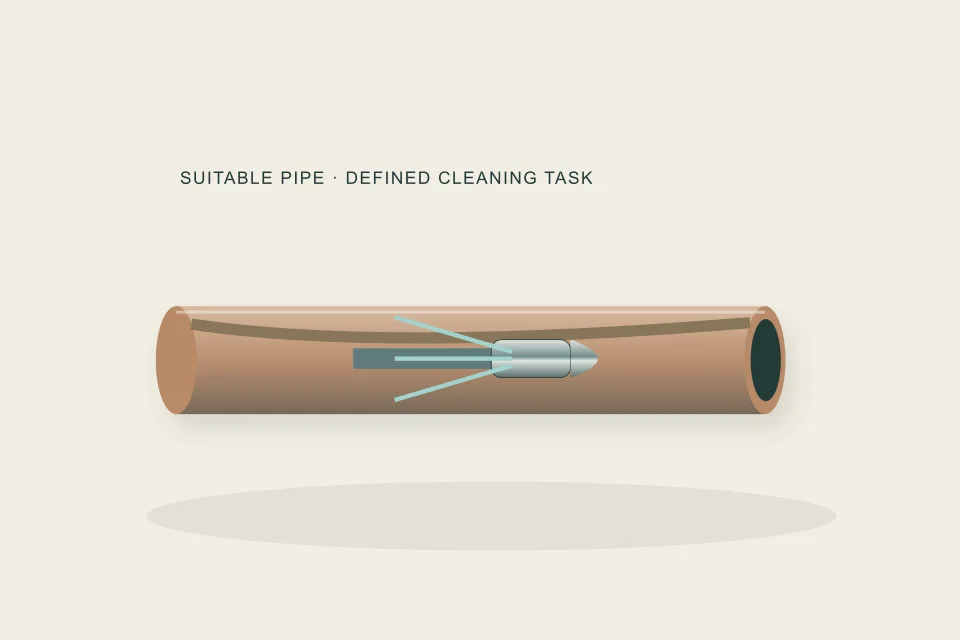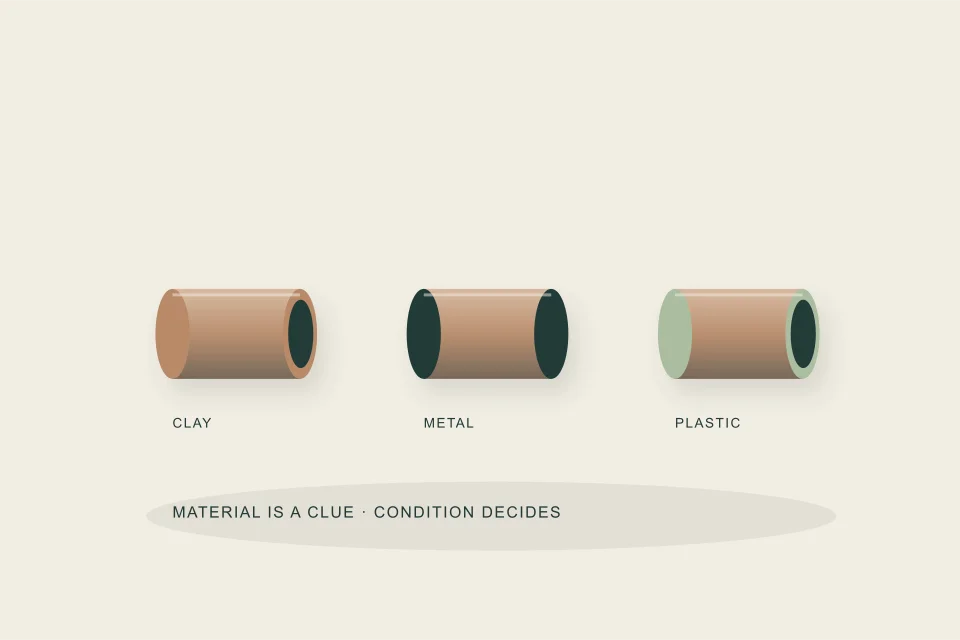
Root-related cleaning needs evidence of where roots enter, which section is affected and what the pipe looks like after suitable clearance. Removing root material can restore a passage without sealing its entry point. Ask for a condition record and a separate explanation of maintenance or repair options after cleaning.
- Use footage to identify the affected run and observed root-entry point.
- Clearing roots may restore passage without sealing where they entered.
- Ask what condition becomes visible after suitable clearance.
- Compare ongoing maintenance with a separately defined repair objective.
01 /What establishes root intrusion?
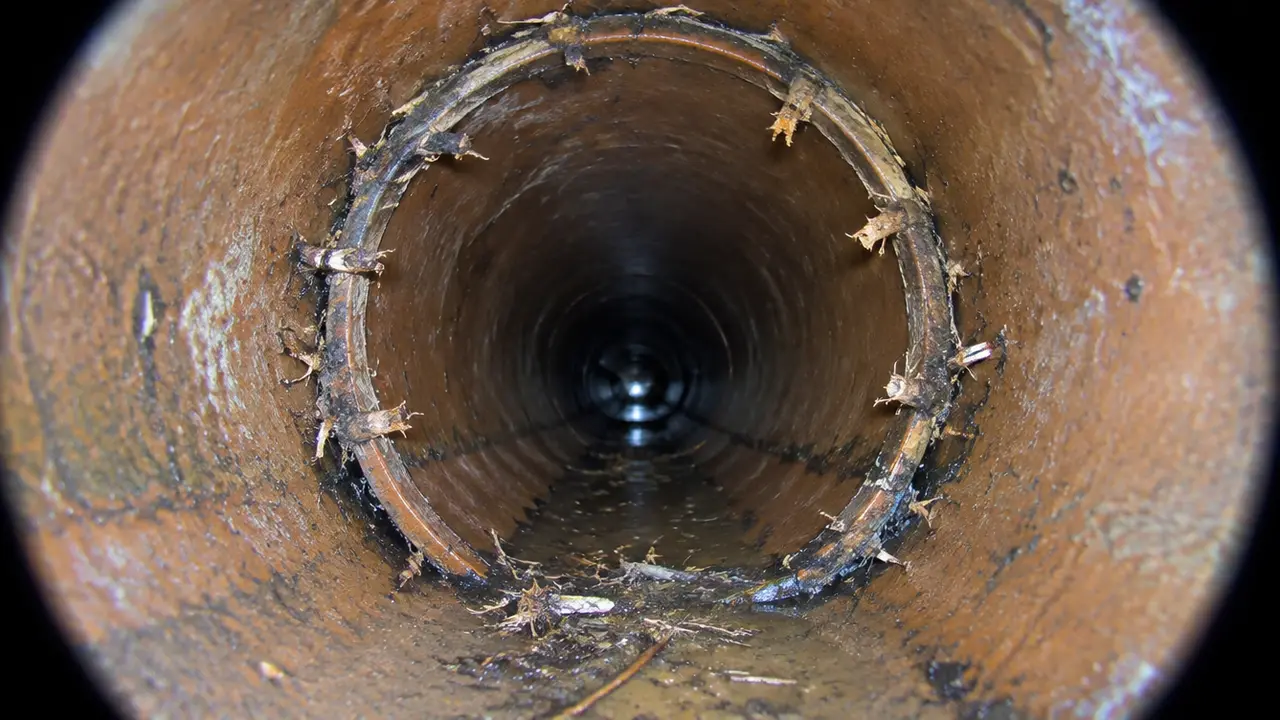
Look for a recording or written assessment that ties the observed roots to a named section and a distance reference. A mature tree in the yard does not prove roots are inside the pipe. Ask how the provider distinguishes visible roots from other debris and what prevented a full survey, if anything. Retain stills alongside the original footage so the recommendation can be reviewed in context. One close-up without the entry route or location is difficult to connect to a construction scope.
02 /What is the clearance objective?
Specify whether the job is to restore flow, prepare for condition assessment or support ongoing maintenance. The operator must select equipment appropriate to the route and known condition. Do not choose a nozzle or cutter from an online picture. Ask how it will handle a restriction that cannot be passed safely and whether another access point may be needed. The approval process should identify when clearance stops and a different investigation or construction proposal begins.
03 /Why does the entry point matter?
Root material inside a sewer generally prompts a question about the route by which it entered. Clearing the material does not establish that this route is sealed. After suitable cleaning, ask whether the camera can show the relevant joint, opening or connection. A provider should explain whether it is observable, what remains uncertain and which options address the assessed condition. Keep the distinction between a temporary flow result and a proposed remedy to the entry route.
04 /How do maintenance and repair compare?
Maintenance accepts a defined ongoing task and its limitations; repair aims to change an assessed condition. Ask for the reason behind each option, expected disruption and the records needed to evaluate completion. A lining proposal should identify connections and preparation. A replacement proposal should identify limits and restoration. The best comparison uses the same location and known defect rather than two general prices for different projects. Ask what happens if the actual condition differs from the assumptions during work.
05 /What information should stay with the property?
Keep the original recording, locating references, cleaning dates and written options in one property file. If the home is sold or management changes, a clear history is more useful than a recollection of roots somewhere outside. A later assessor needs to know what was seen before and after clearance, how far the survey reached and whether a repair was completed. Record the actual outcome and limitations; do not let a routine invoice stand in for a structural condition report.
06 /What remains after the visible roots are cleared?
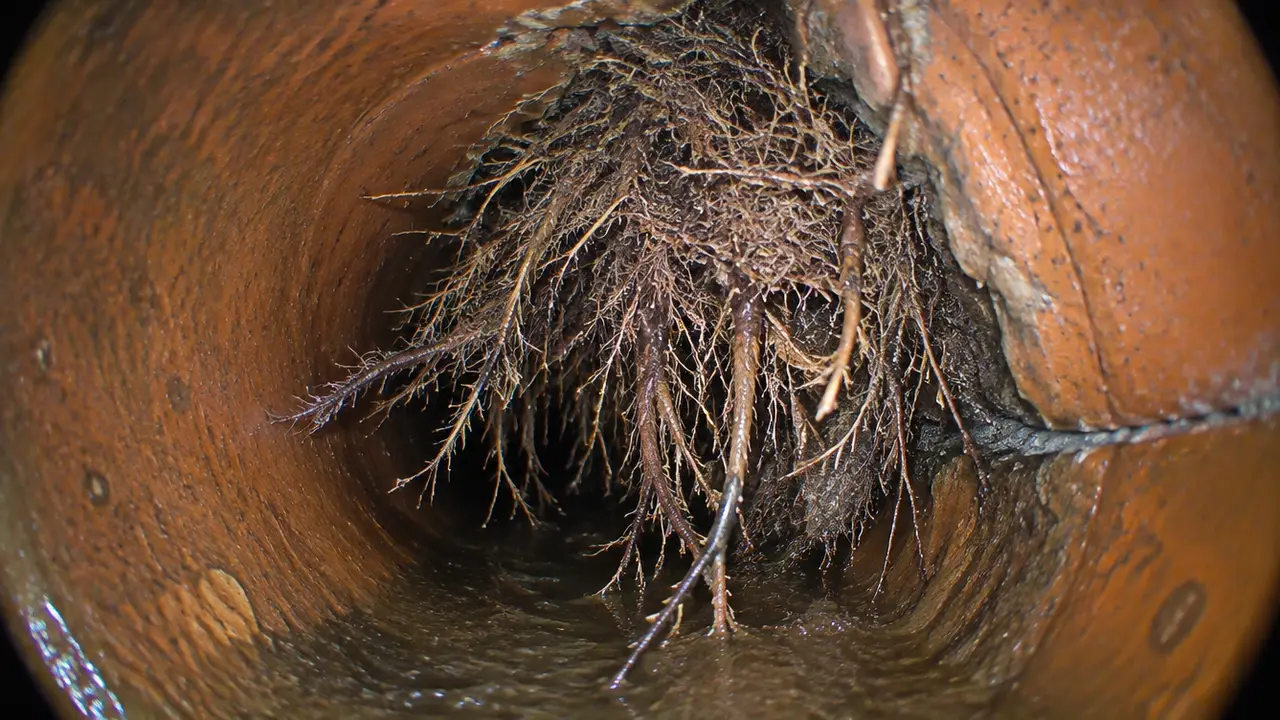
Root removal and correction of the entry defect are separate objectives. Ask the after-cleaning record to identify whether the suspected entry location could be seen, whether roots remained and whether any affected section was still inaccessible. The presence of roots is a finding; the condition that allowed them to enter needs its own assessment. A clean-looking passage after work does not establish a watertight joint or certify that recurrence has been prevented.
Keep the location reference and footage together when discussing repair. If a provider recommends lining or a localized intervention, ask which observed defect that method would address and which additional evidence is required for suitability. Roots at one visible joint do not automatically define the extent of a proposed repair. A targeted scope should explain its start and end points and what other sections remain outside the decision. This is especially useful where prior cleaning records used different access points or distance-counter origins.
07 /How can you compare root maintenance with a repair enquiry?
Compare the purpose of each option before comparing the price. A maintenance plan aims to manage a recurring obstruction under stated conditions; a repair proposal aims to change an identified entry path or damaged segment. Ask the maintenance proposal how recurrence will be monitored and when another inspection will be considered. Ask the repair proposal what finding supports its extent and how completion will be documented. Neither should rely only on a promise that the roots will never return.
An evidence package for both options can include previous root findings, the clearance record, the latest visible joint condition and any known access limits. Label each date and retain the original files rather than only edited clips. If the condition after cleaning remains uncertain, the immediate next decision may be to obtain the missing inspection evidence. Use the native request form to describe that exact question. Leave tree removal, chemical treatment and equipment choices for appropriately qualified assessment rather than treating them as automatic homeowner responses.
08 /How can the first enquiry lead to a useful scope?
Include your city or postal code, the property use, affected fixtures and the timing of the problem. State what earlier clearing or inspection found, and attach records only through an agreed follow-up route. If access or material is unknown, say so. The request builder organizes these facts into an editable outline. It stays in this tab until you continue to the quote form, review the details and submit with contact permission. A generated outline does not reserve a visit or authorize equipment work.
Ask for a defined first task and a point at which further work needs approval. That task may be investigation, clearance or cleaning preparation for a survey. Identify who can grant access and who can approve extra work. A person available at the property may not be the person who approves the budget. Keep those roles clear so an uncertain finding produces a documented decision rather than an unreviewed expansion of the visit.
09 /What should you compare beside the cleaning price?
List the target section, setup, access assessment, machine work and expected completion evidence. Ask whether camera recording, locating and a return visit are included or priced separately. A lower headline can describe a smaller task. Give each bidder the same records and request the same outcome before comparing totals. This guide does not publish a fixed local price because the actual route, condition, access and work extent require assessment. The provider must confirm its final scope and price.
Make exclusions understandable. If a provider cannot complete the intended run, ask how it records that result and which next step may be needed. If restoration, repair or remediation is outside the task, identify it separately. Keep the written scope and completion record with the property history. Those records can explain a later event more accurately than a claim that the sewer was cleaned once, without any note of where the work began or ended.
10 /How does HAUSE follow-up work?
HAUSE Sewer is an independent information and service-request network and does not carry out drain or sewer work. A submitted request goes to the HAUSE team for review and, with permission, possible introduction to a qualified provider where available. The provider confirms suitability, availability and price. Ask HAUSE can explain general options and help you organize questions; it cannot diagnose the pipe, confirm an appointment or submit a request merely because you typed a message.
Keep account numbers, identification documents, tenant details and private insurance records out of general chat. Put only the needed contact and project information in the consent form. Confirm the location and best contact method before sending, and retain any on-screen submission reference. A failure message means the request needs attention; a locally generated brief alone is not proof of delivery. For an active hazard, use appropriate immediate assistance and do not wait for an online review.
FAQQuestions people ask
Does removing the roots seal their entry point?
Root clearance and sealing an entry point are different tasks. Ask what the post-cleaning condition record shows, where roots entered and which maintenance or repair options address that finding.
Does HAUSE carry out hydro jetting?
No. HAUSE Sewer provides information and receives service requests. A qualified provider must assess the line and confirm any cleaning work, price and availability.
Can I request a quote through this site?
Yes. Use the cleaning request builder or the quote form, review the project details and give contact permission. The team can review the request and seek a provider introduction where available.
Does building the outline send anything?
No. Tool answers stay in this tab until you continue to the quote form and submit it. Review the carried-over outline before sending; it is editable.
Is hydro jetting always better than a snake?
No. The restriction, condition, access and cleaning objective matter. Ask the provider which method fits the assessed task and how it will demonstrate the result.
Can cleaning fix a broken or sagging pipe?
Cleaning does not reconstruct a damaged pipe or change its alignment. It may restore a passage or prepare for assessment, while a separate repair decision addresses the recorded physical condition.
NETWORKGo deeper across the HAUSE Sewer network
How to hire a sewer cleaner: the checklist, the questions and the paperwork
How to hire a sewer cleaner in Canada: questions to ask, insurance and WCB coverage in Alberta, a written scope template, red flags, and how to compare quotes.
SewerJetting.caHydro jetting tree roots: what it clears, and why the roots come back
Hydro jetting tree roots in a sewer line: root nozzles vs cable cutters, why roots regrow at the same joints, clay pipe care, and when to line instead.
SewerInspector.caWho does sewer scope inspections, and how to choose one
Who does sewer line inspections, how to find a sewer camera inspection company near you, what to ask before booking, and the red flags to watch for.